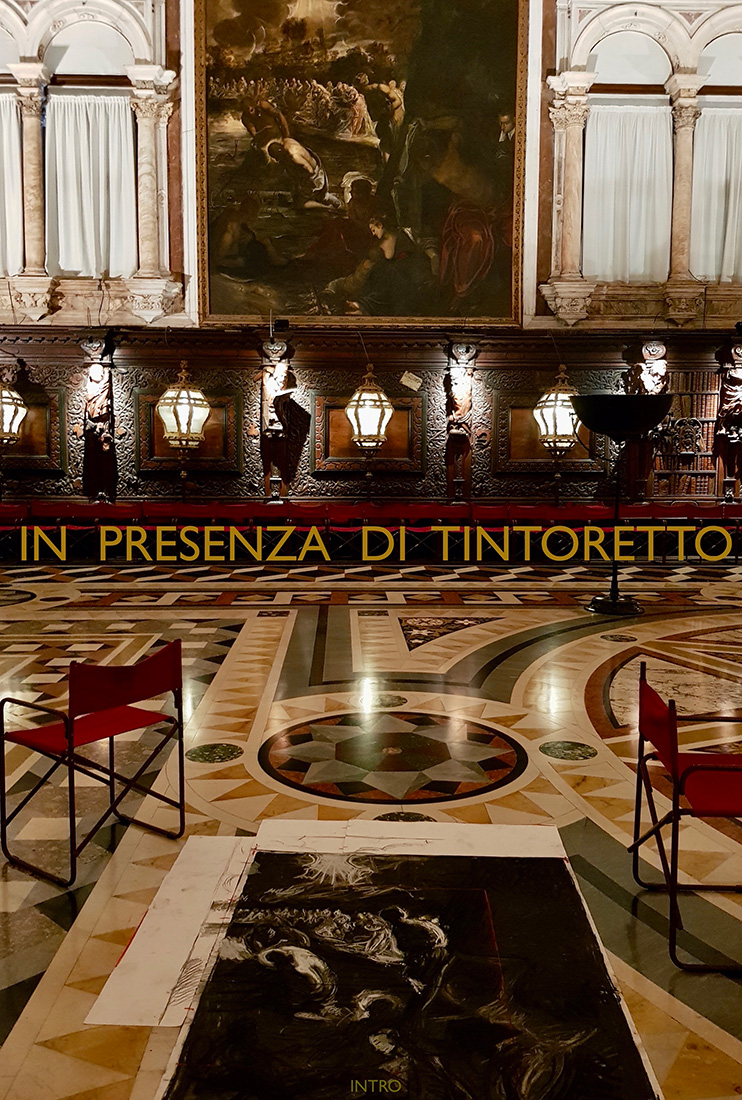
IN THE PRESENCE OF TINTORETTO
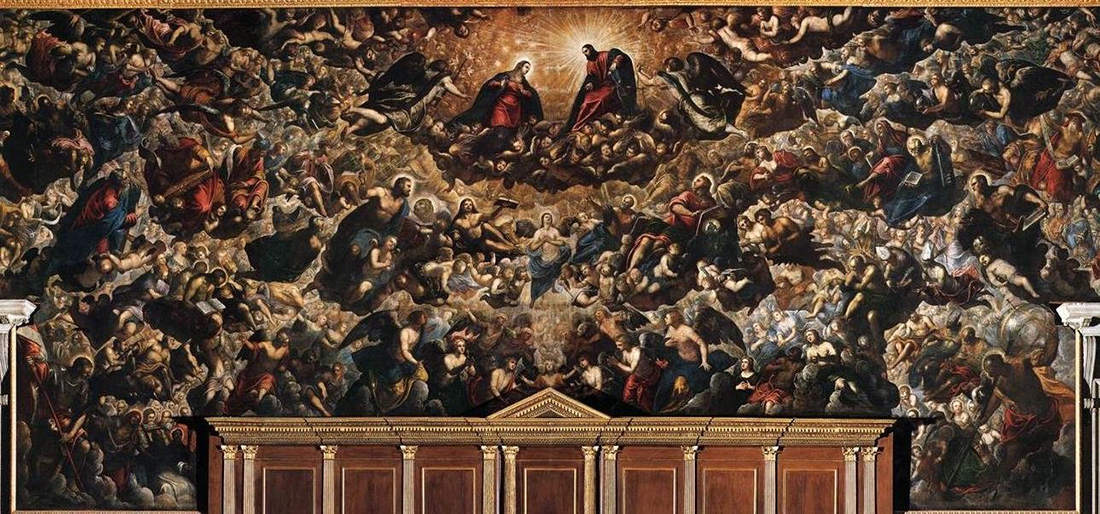
3 – Il Paradiso. In the Doges Palace in Venice, by Tintoretto, 74ft x 30ft.
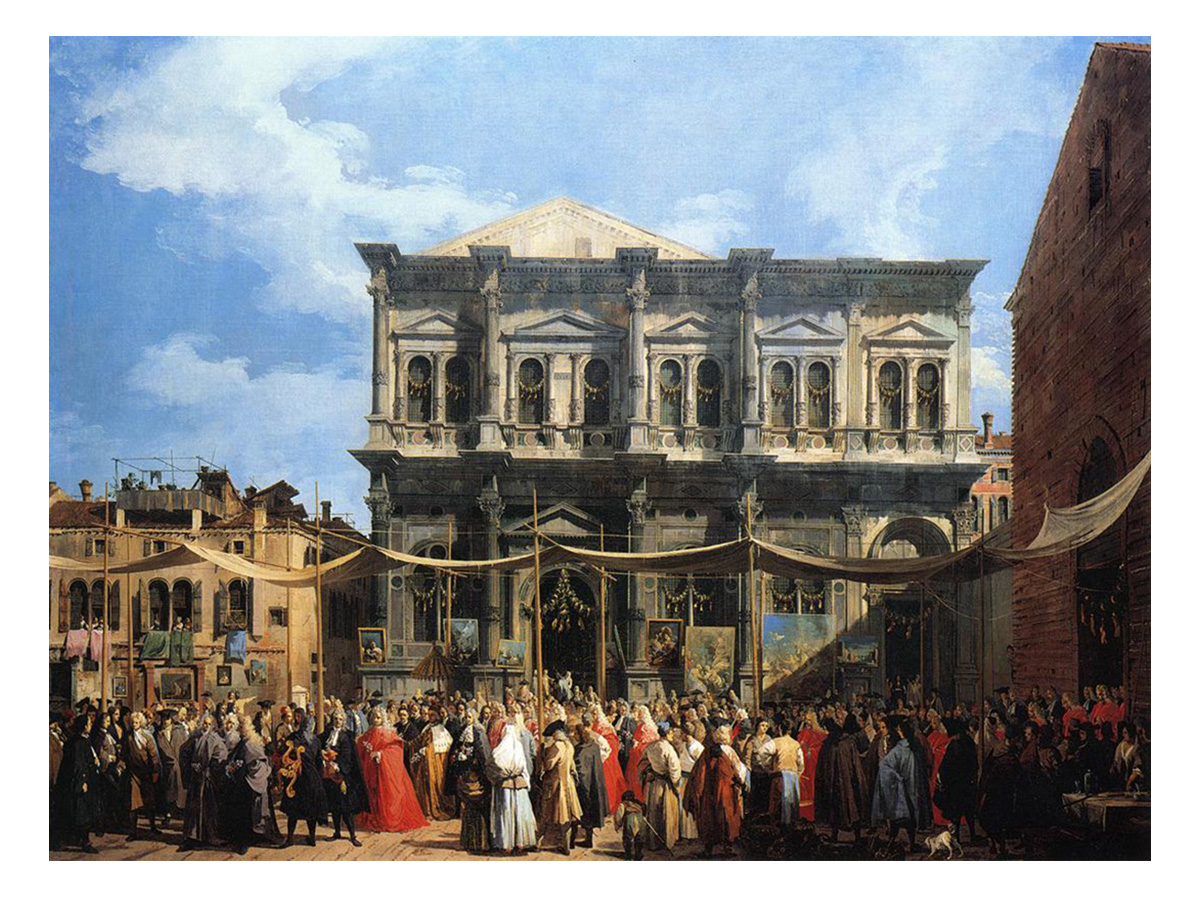
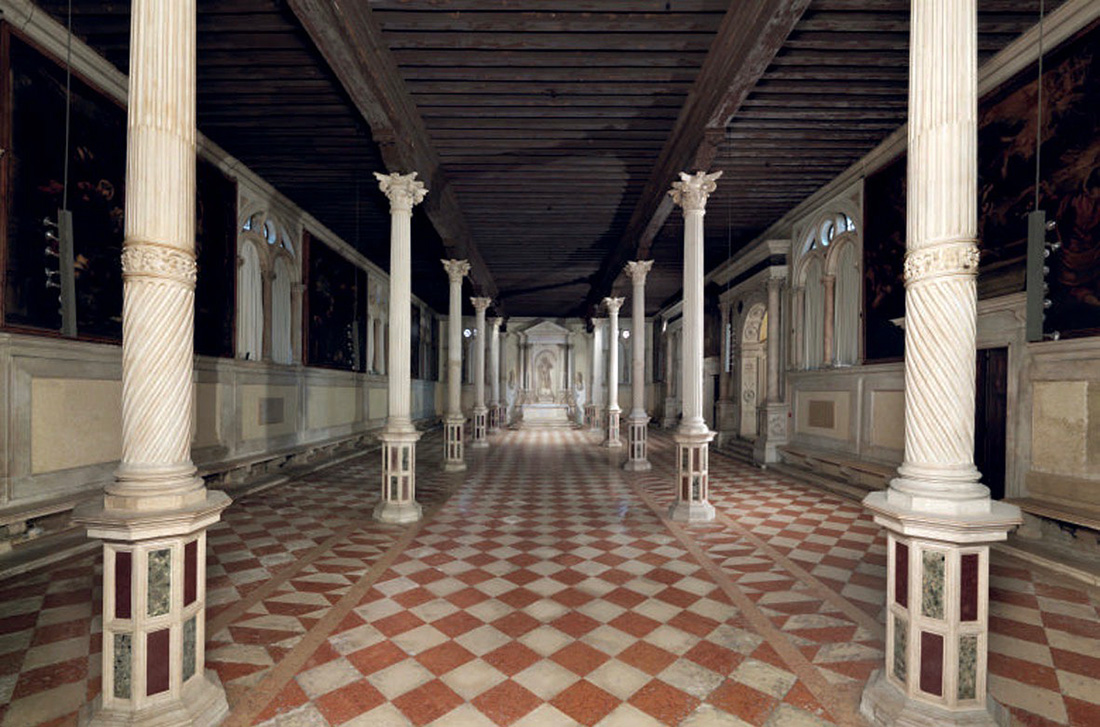
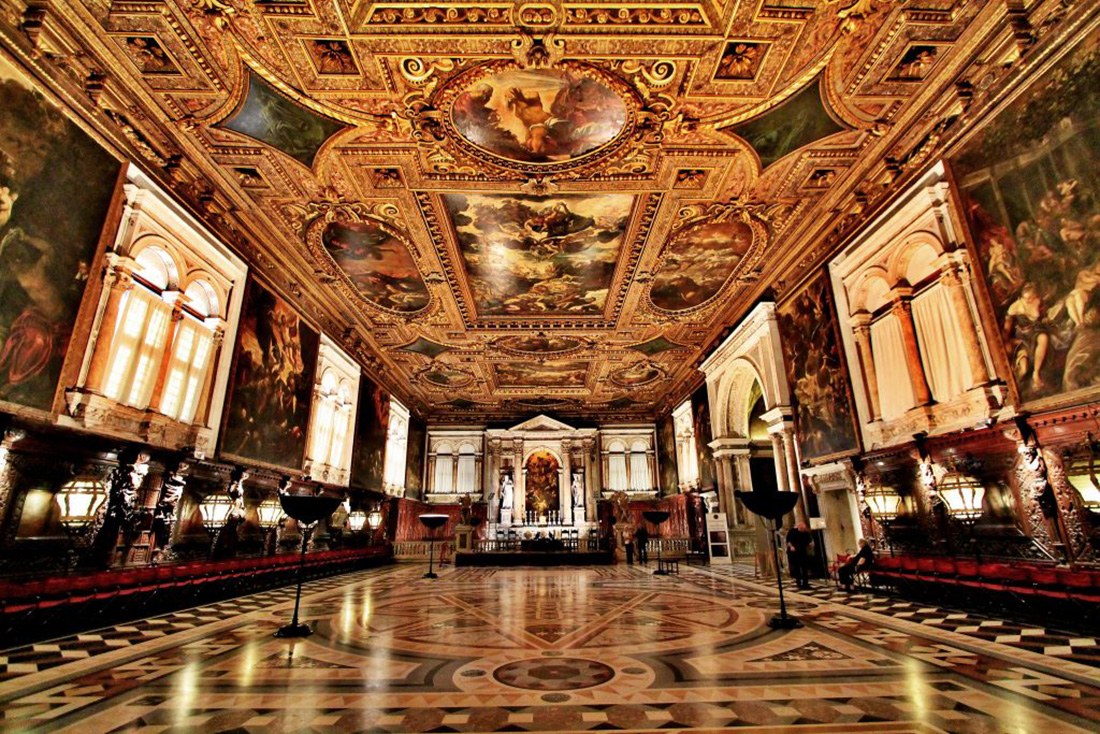
4 – The Scuola Grande, painted by Canaletto.
5 – La Sale Terrana.
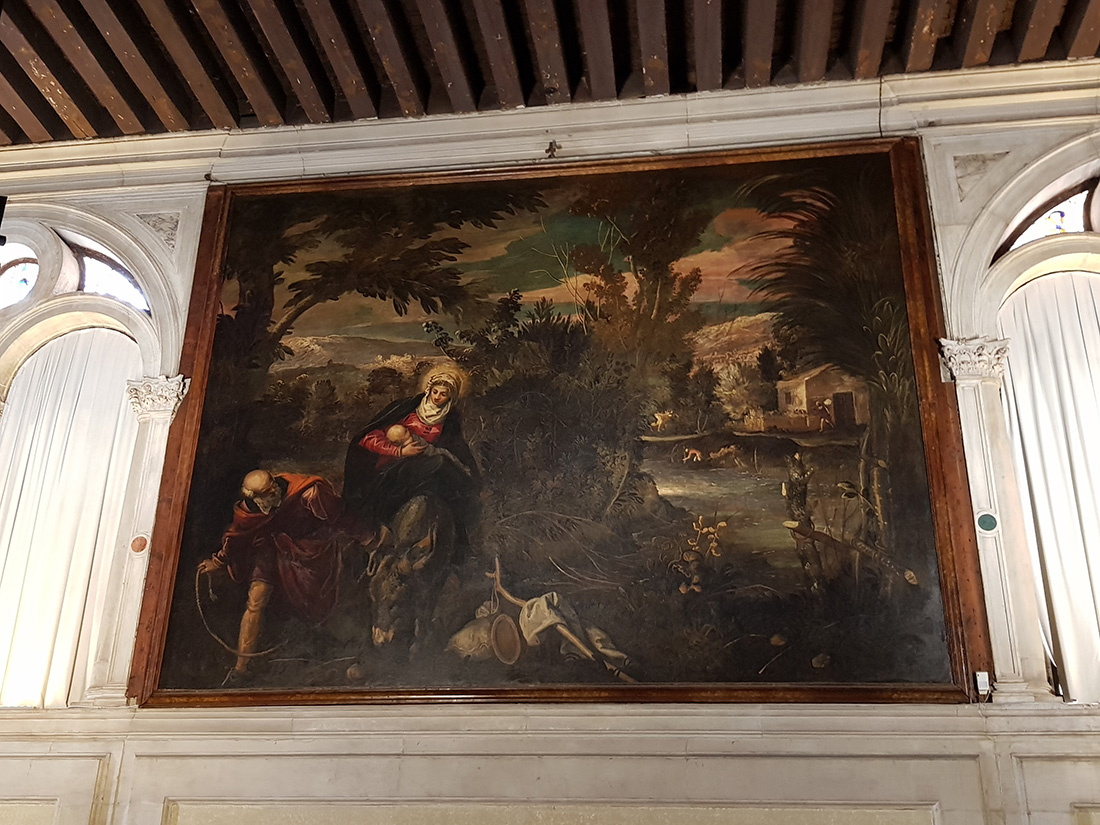
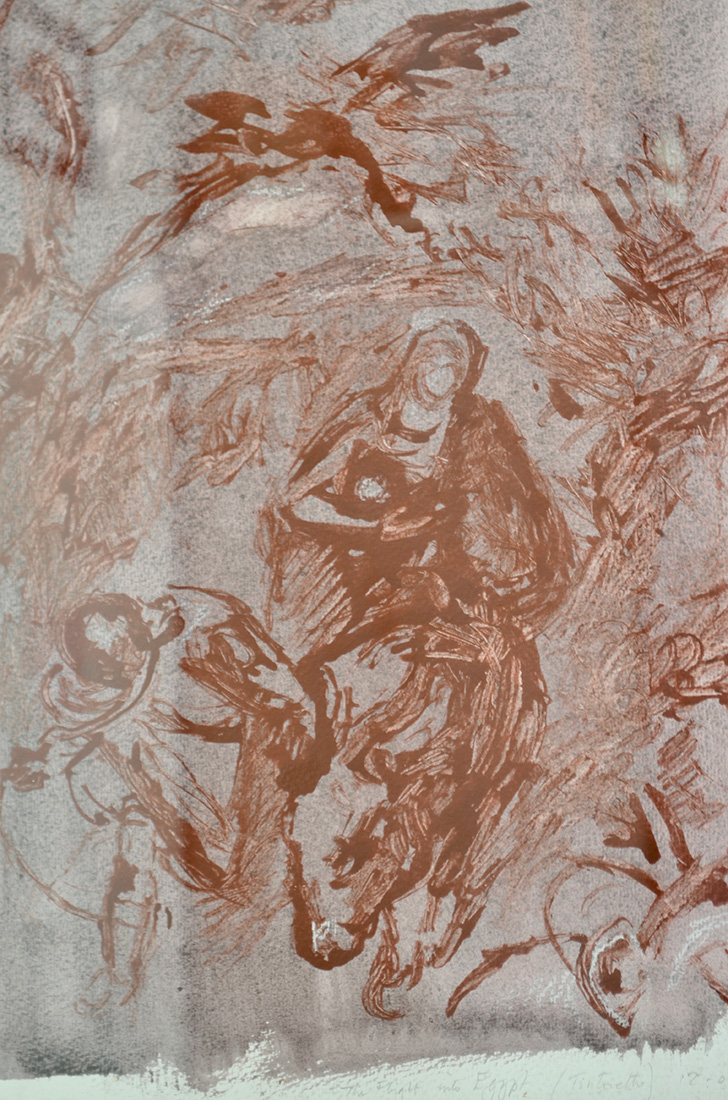
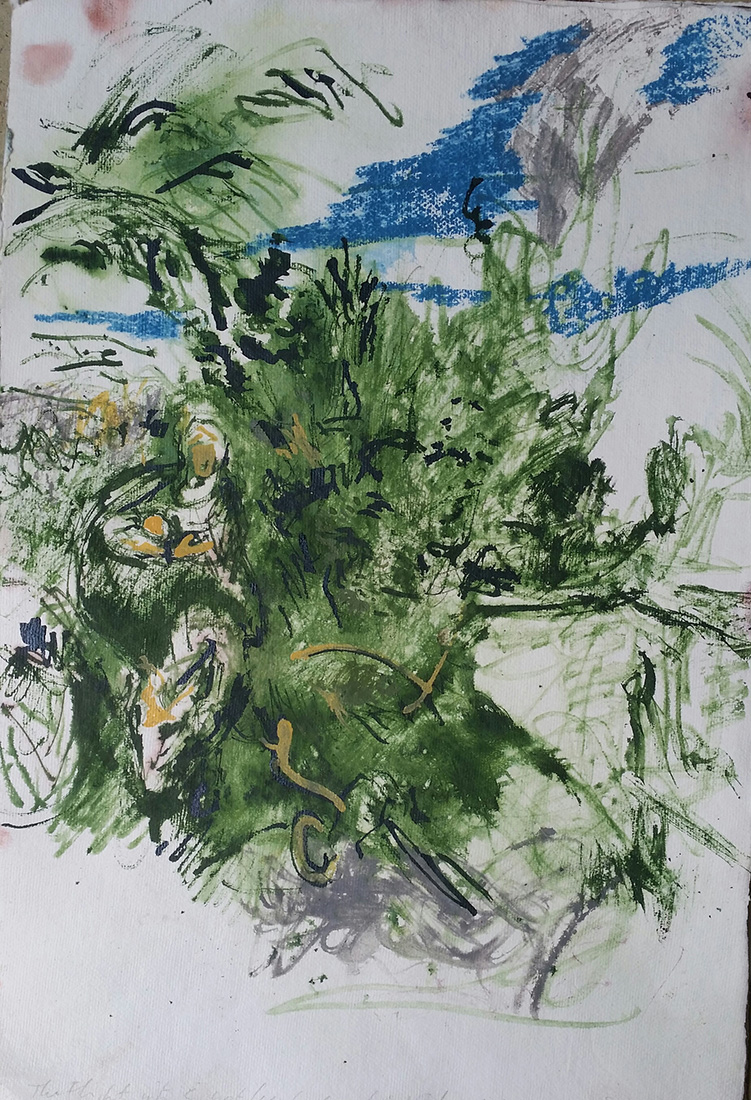
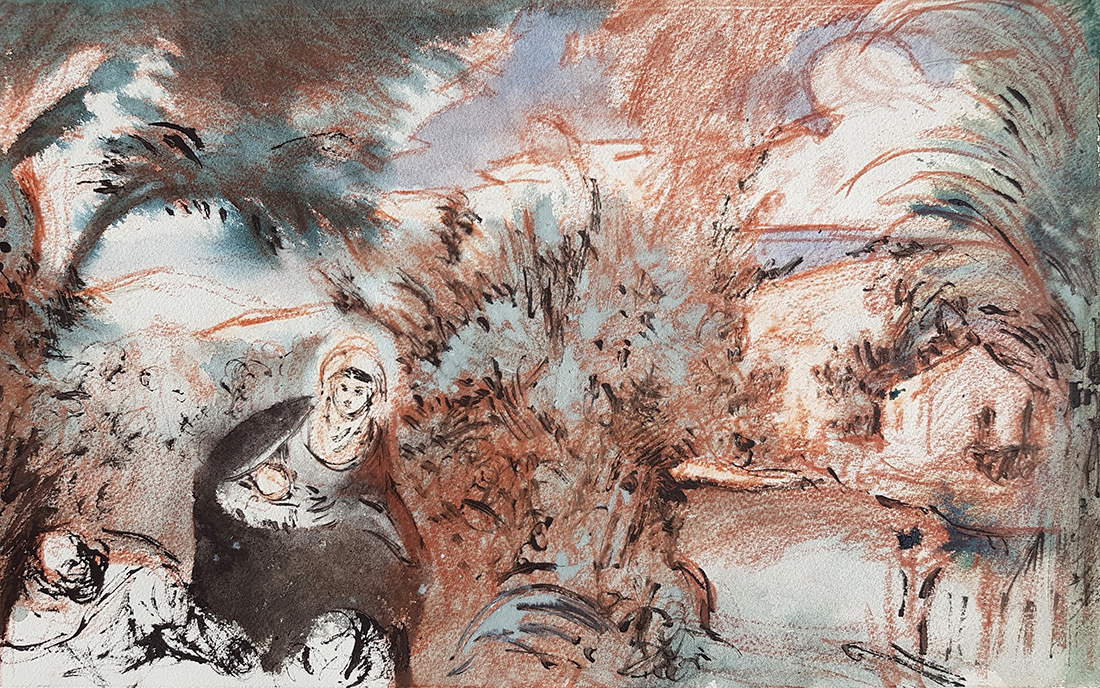
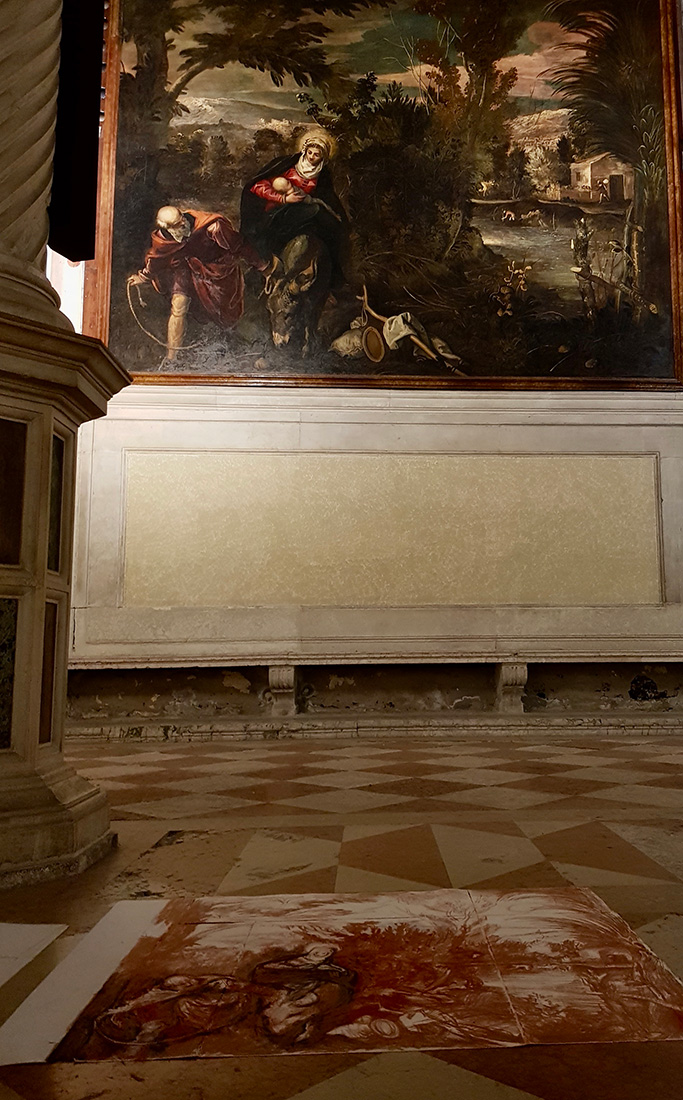
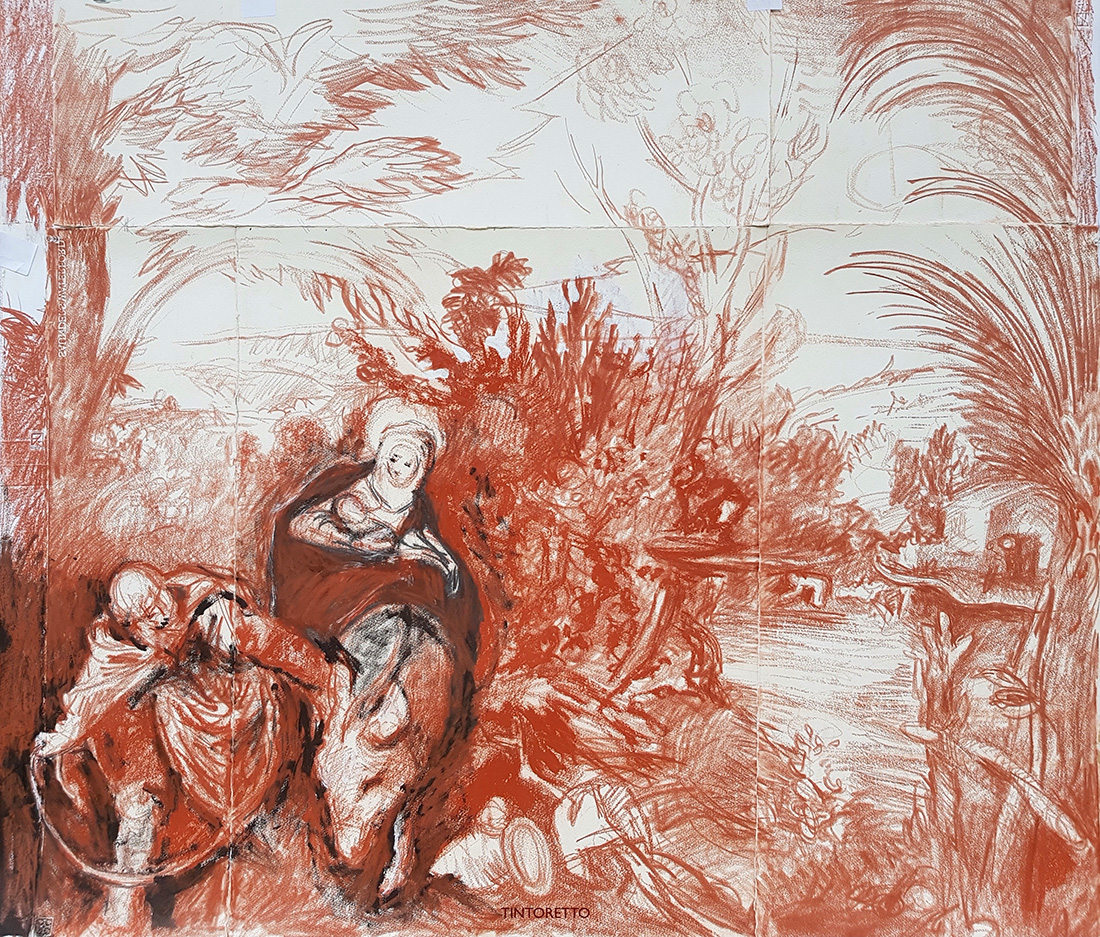
6 – The Flight Into Egypt.
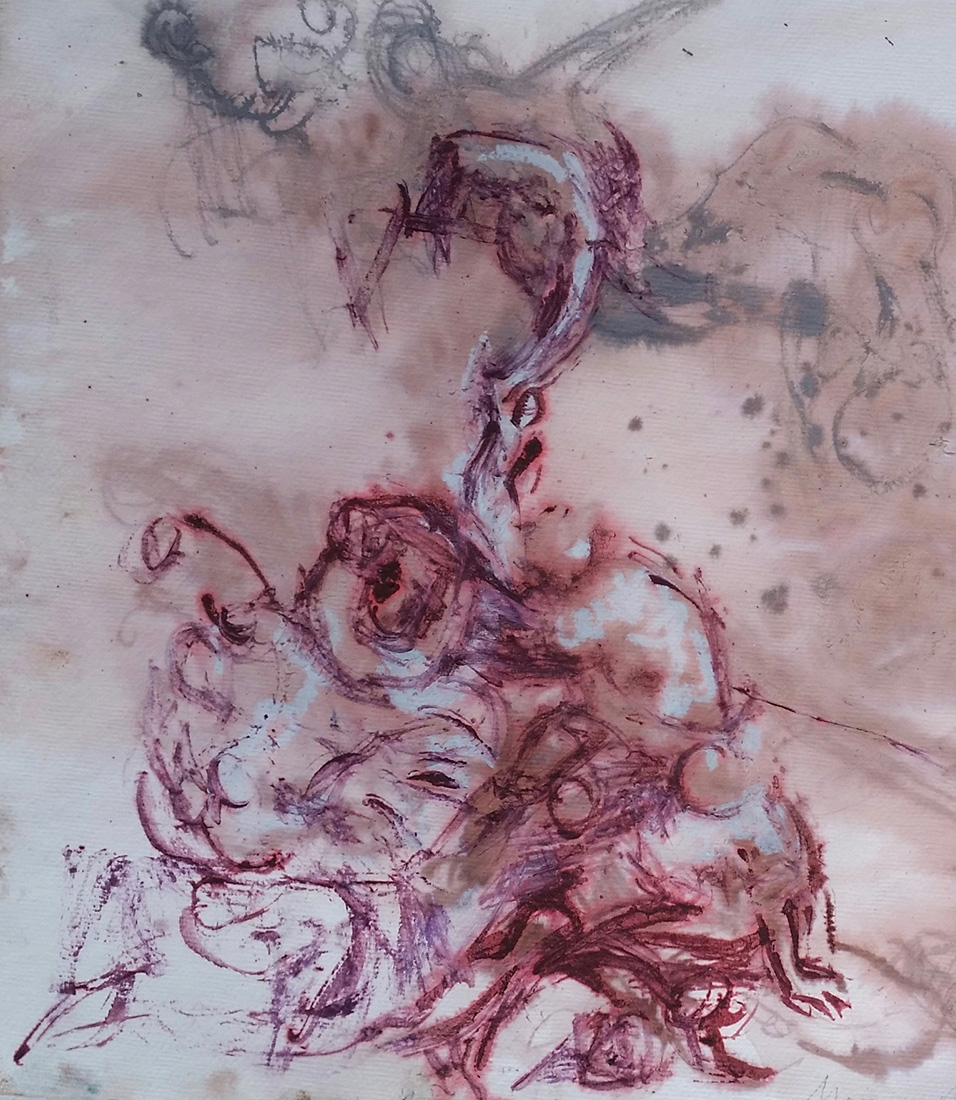
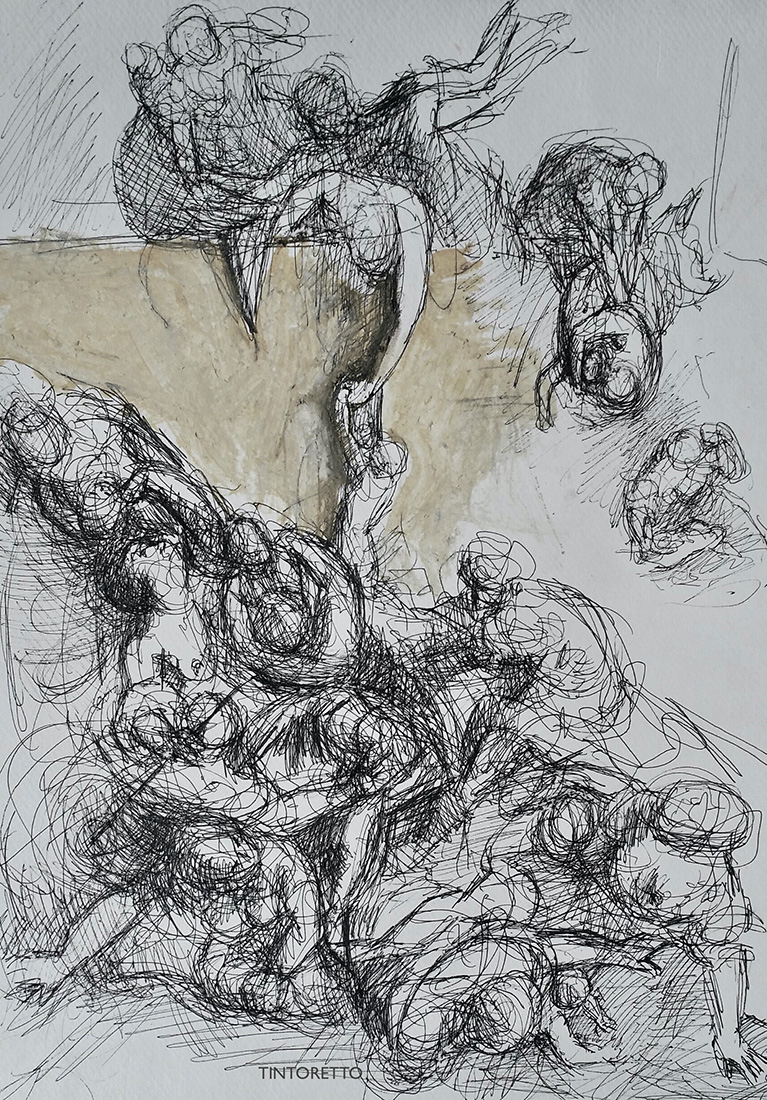
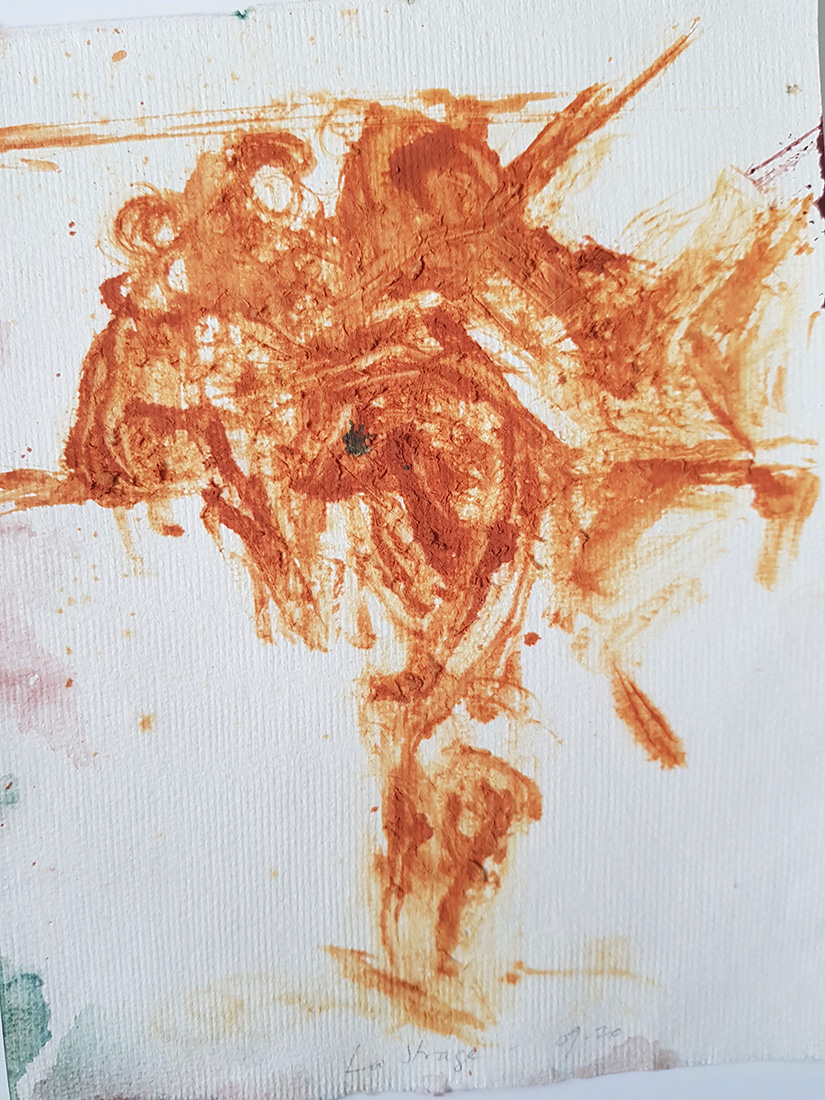
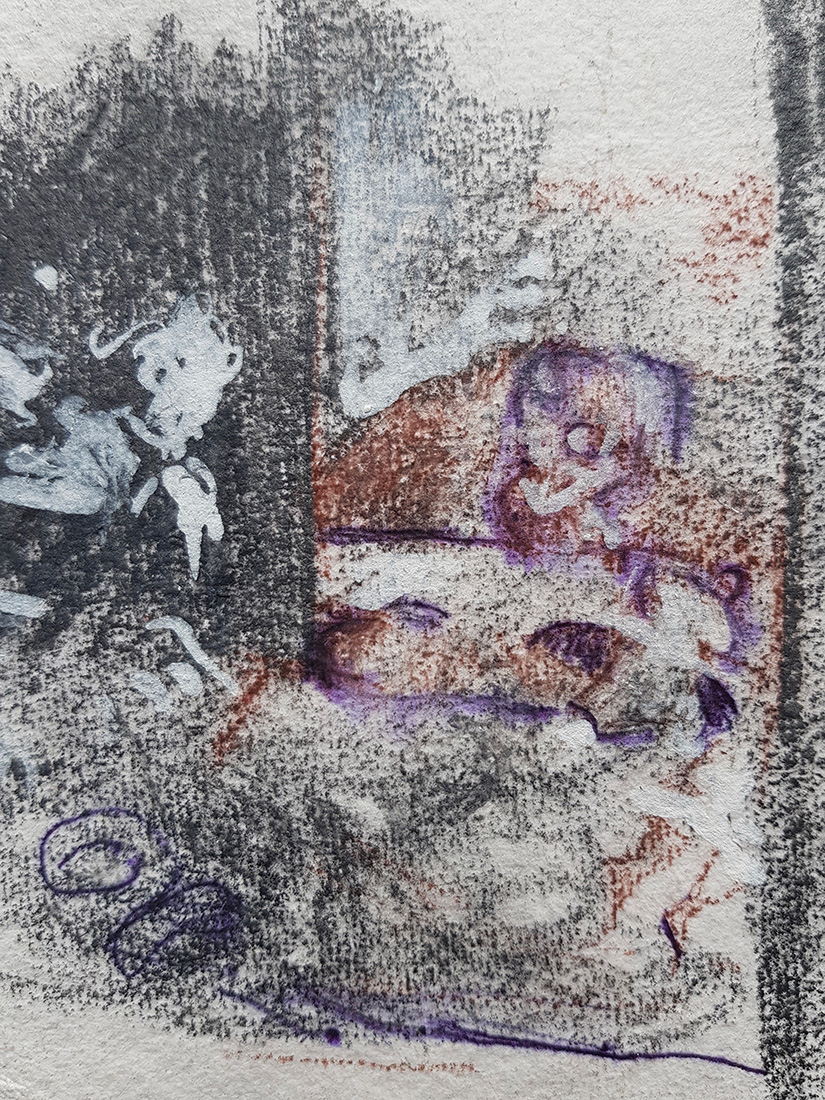
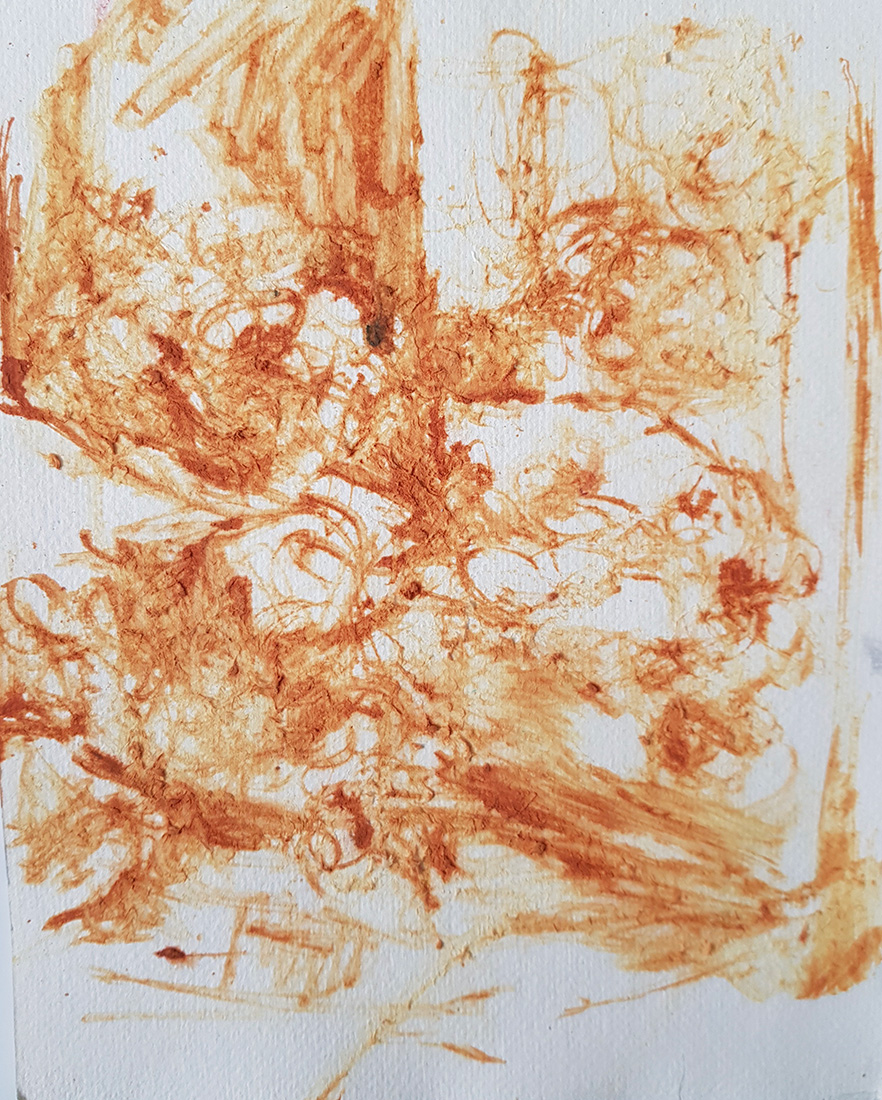
12 – The Massacre of the Innocents.
27 - La Sale Superiore.
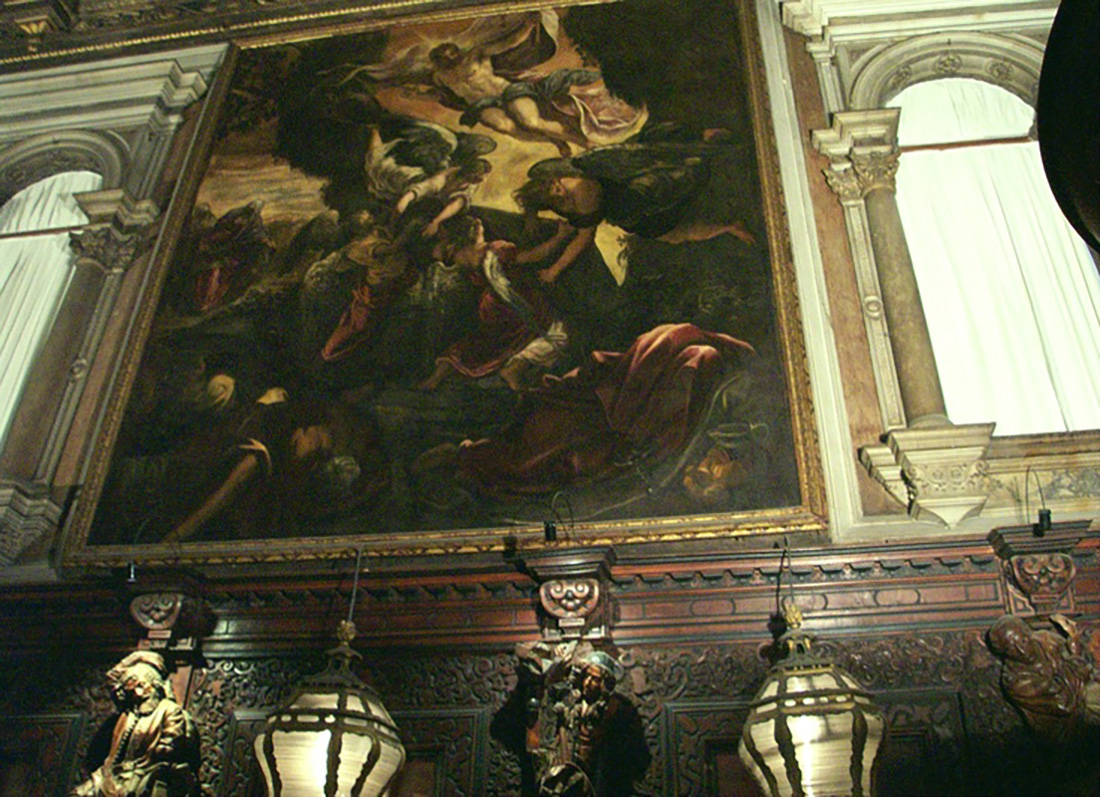
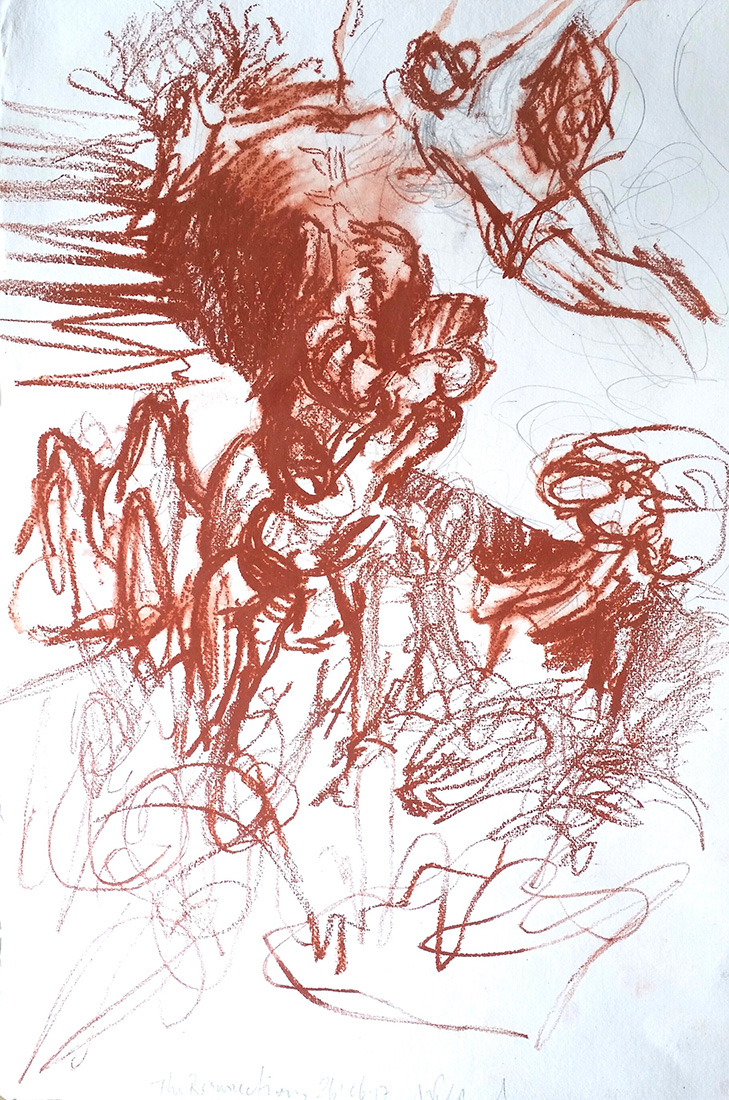
28 – The Resurrection.
36 – The Baptism.
43 – The Magi.
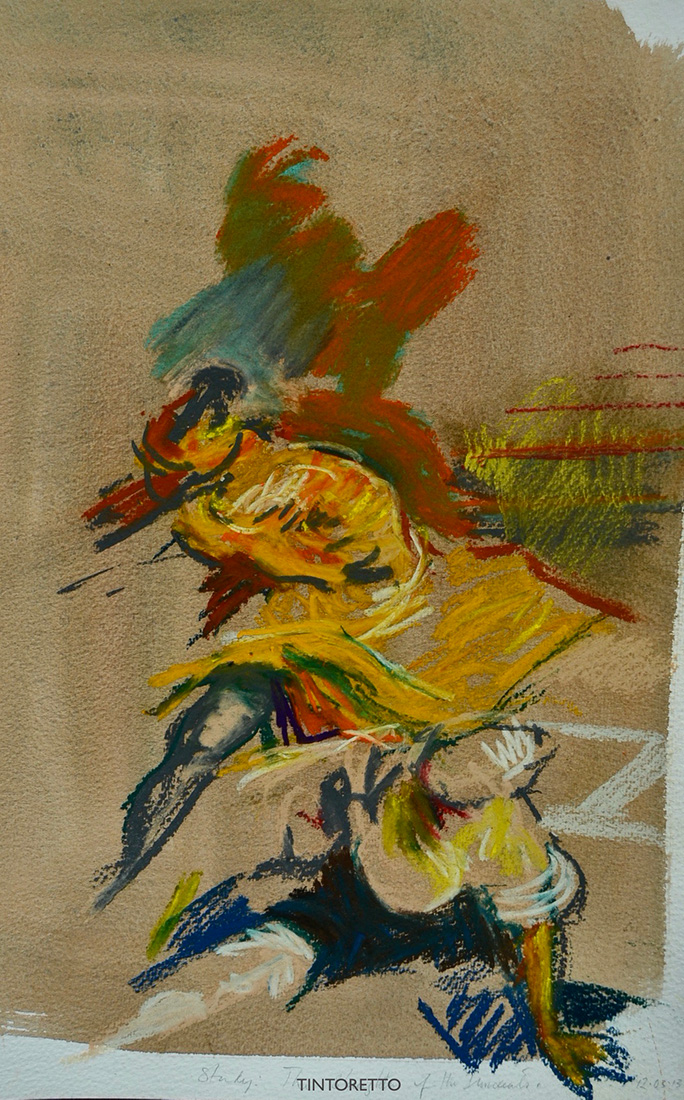
49 – Horsemen at the Crucifixion (detail).
*Others should be self-evident.
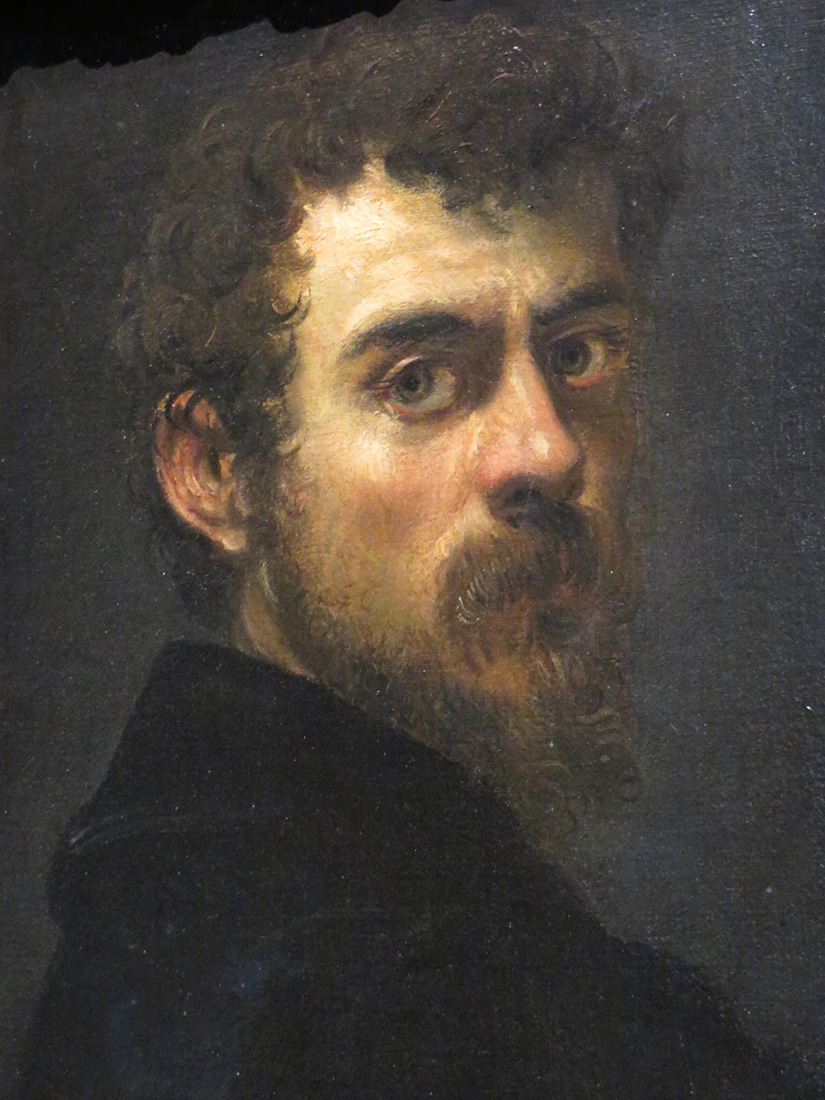
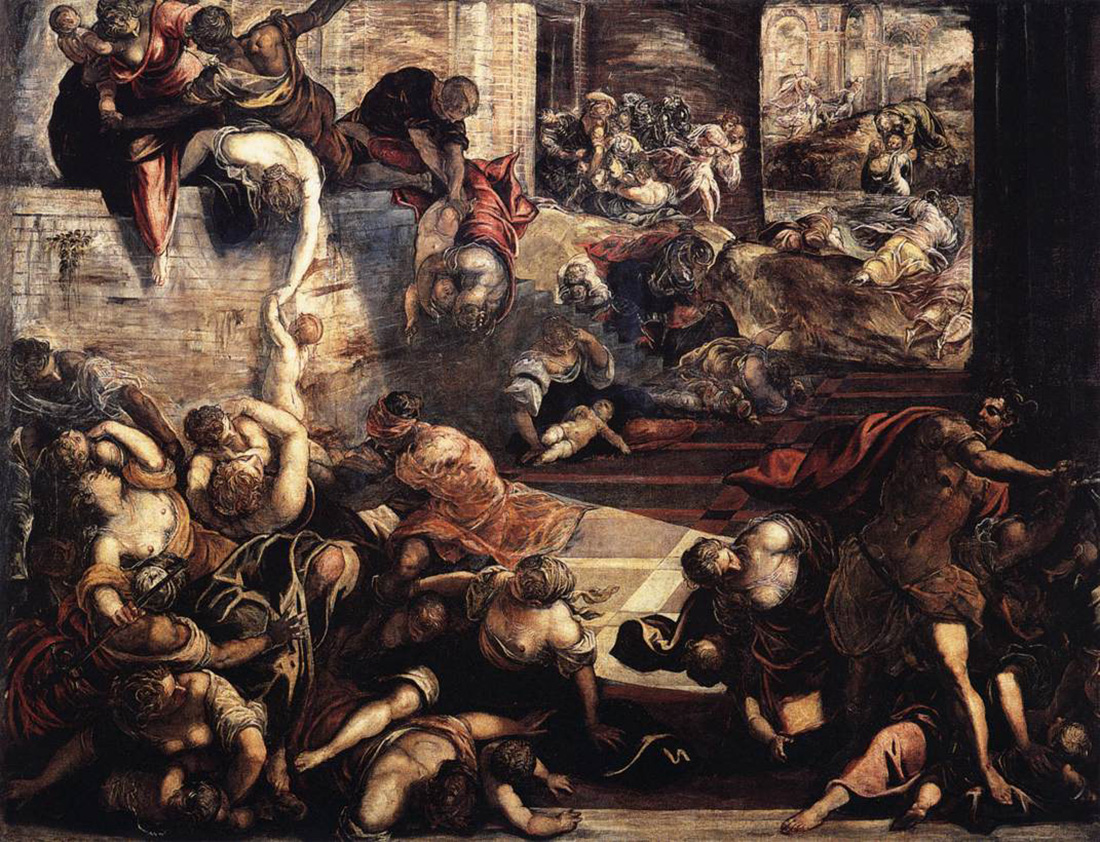
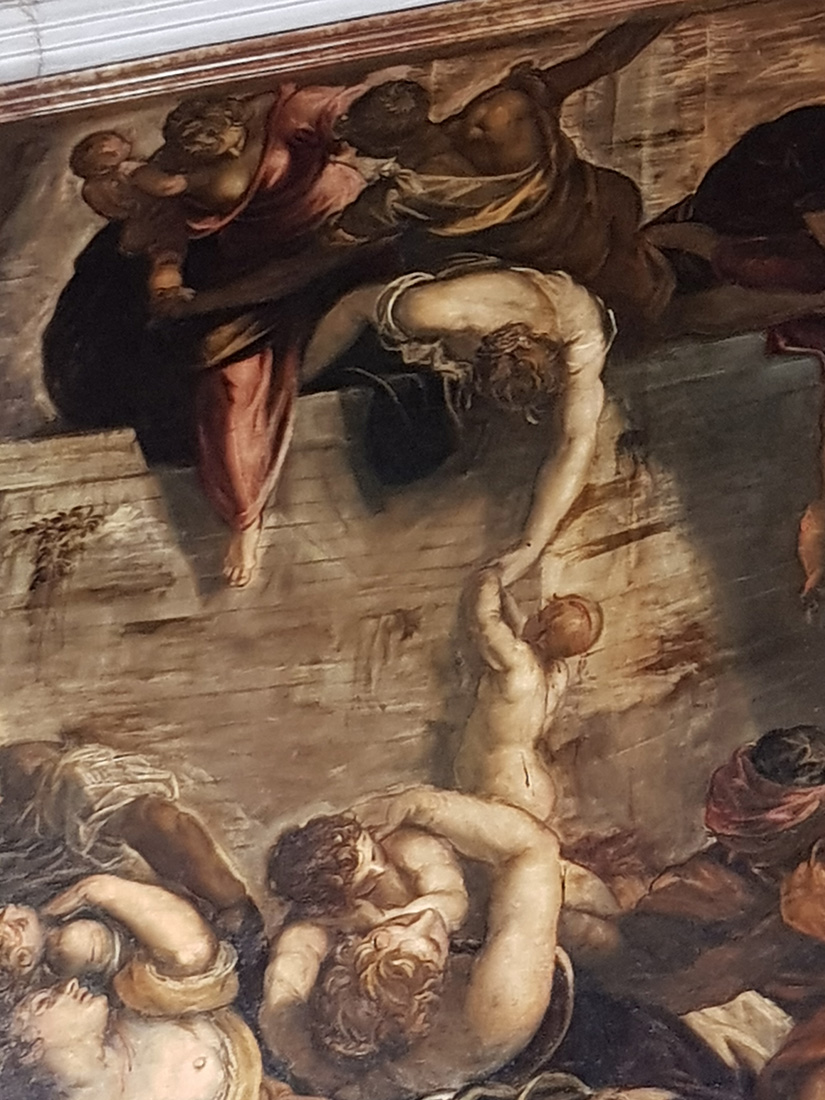
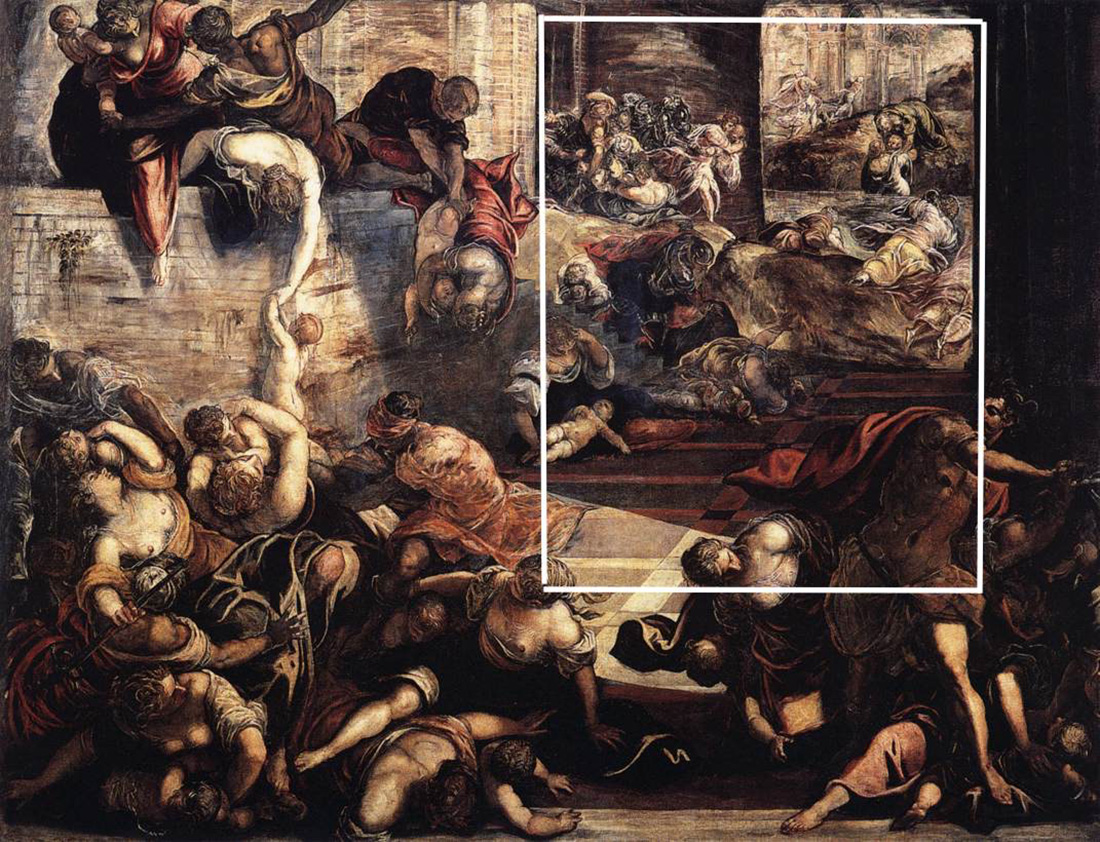
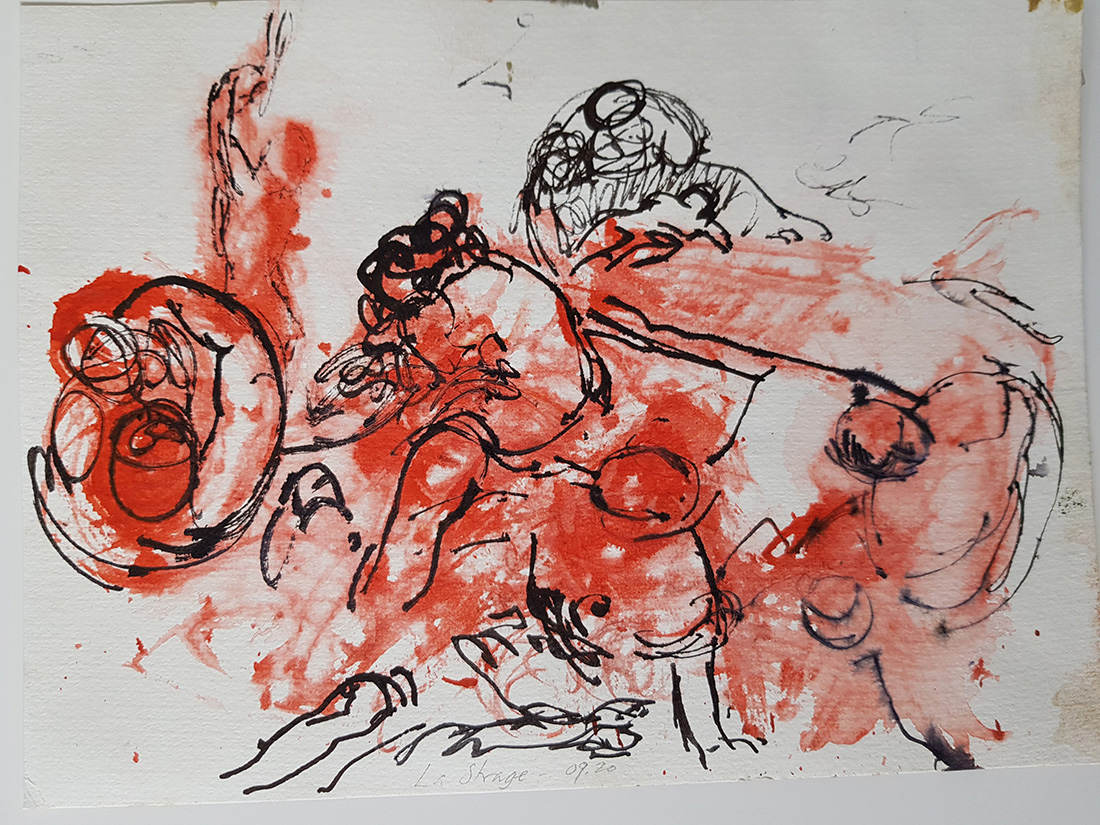
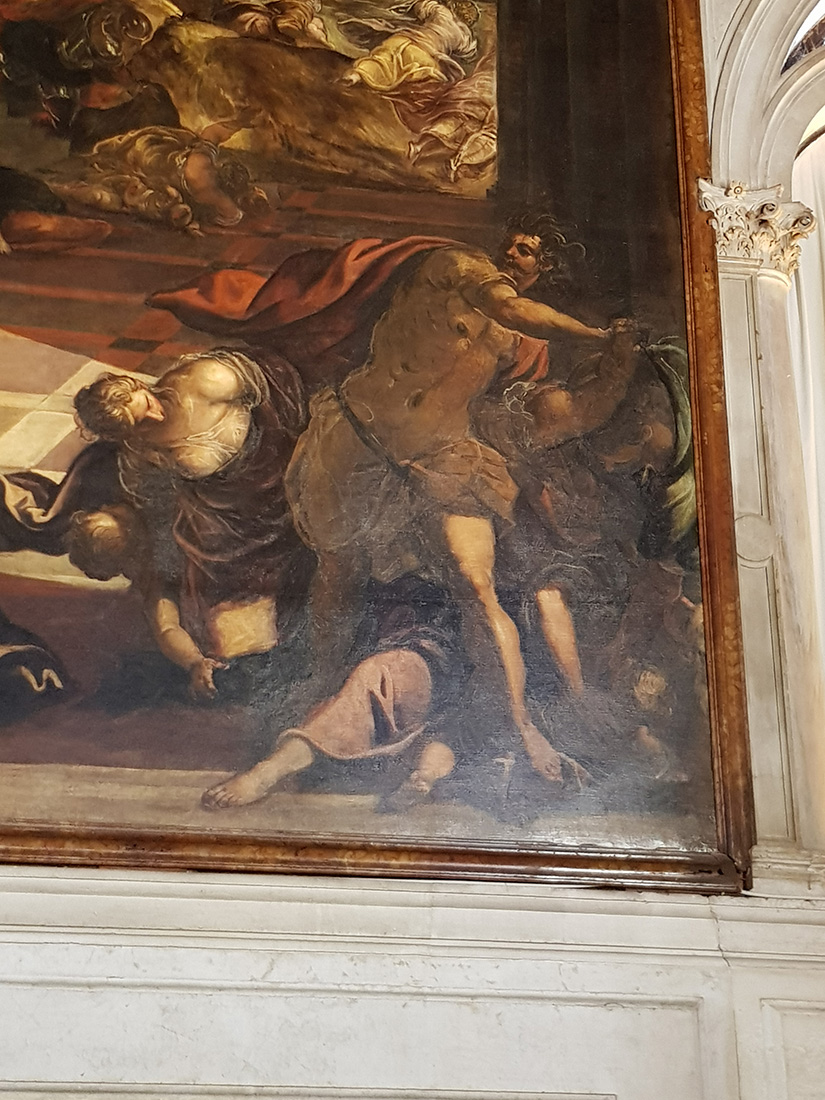
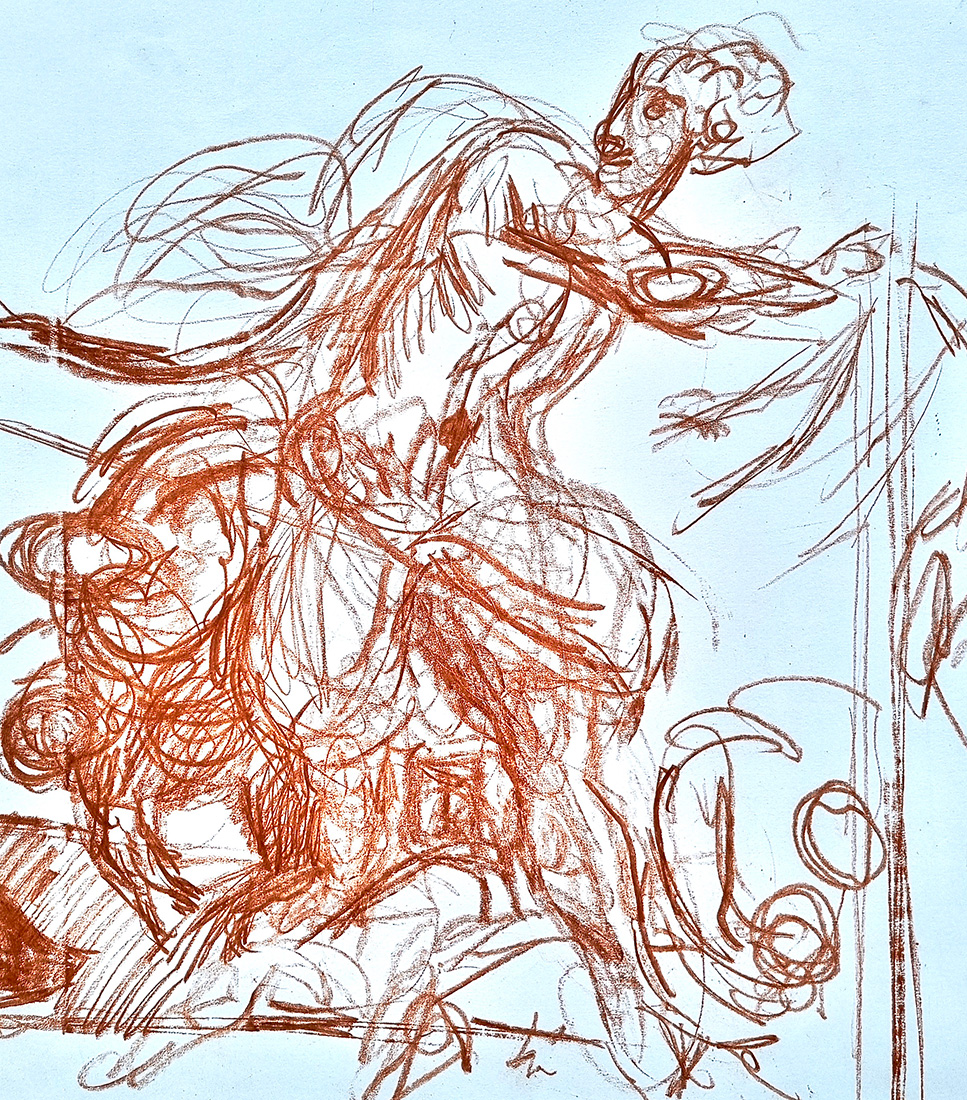
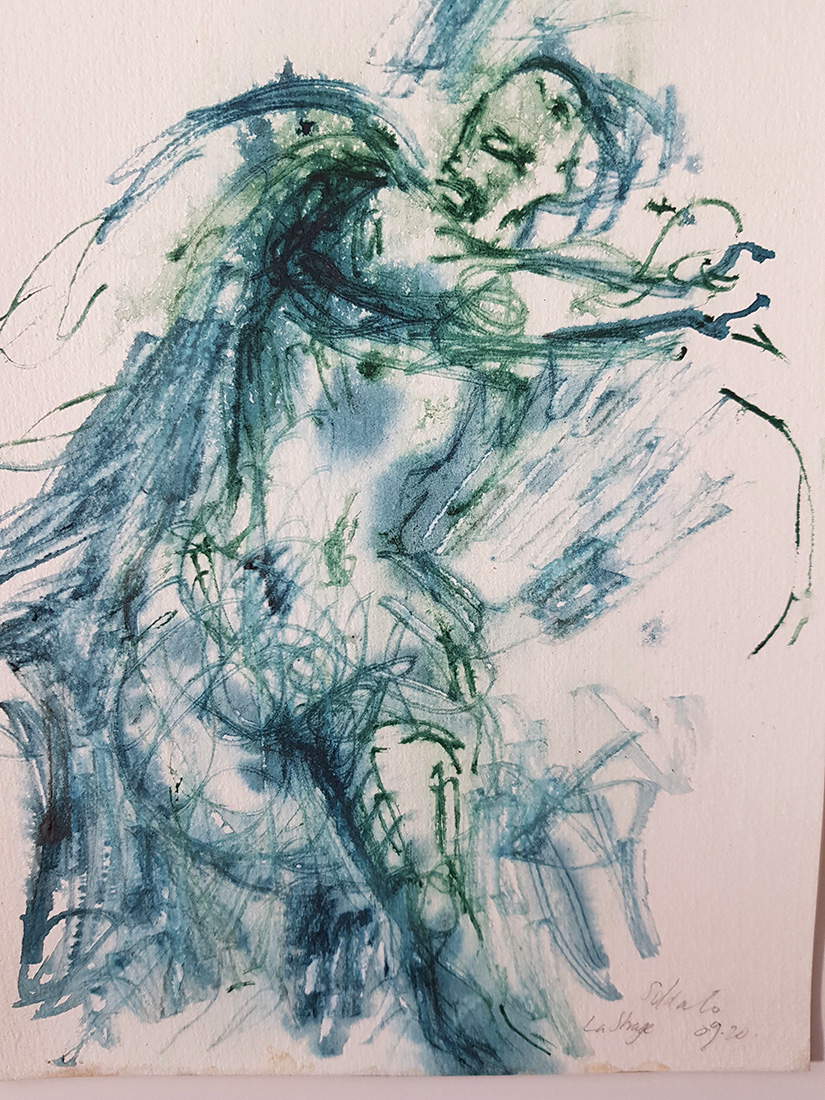

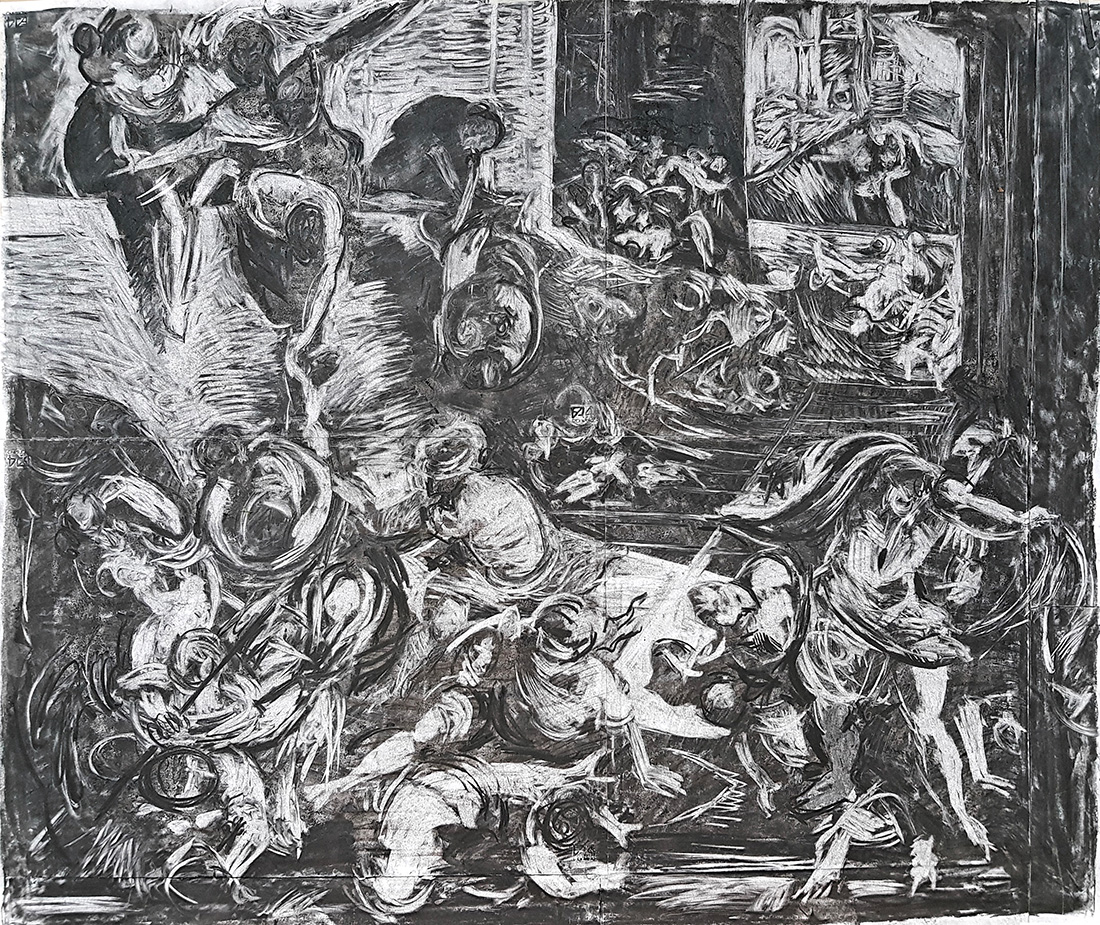
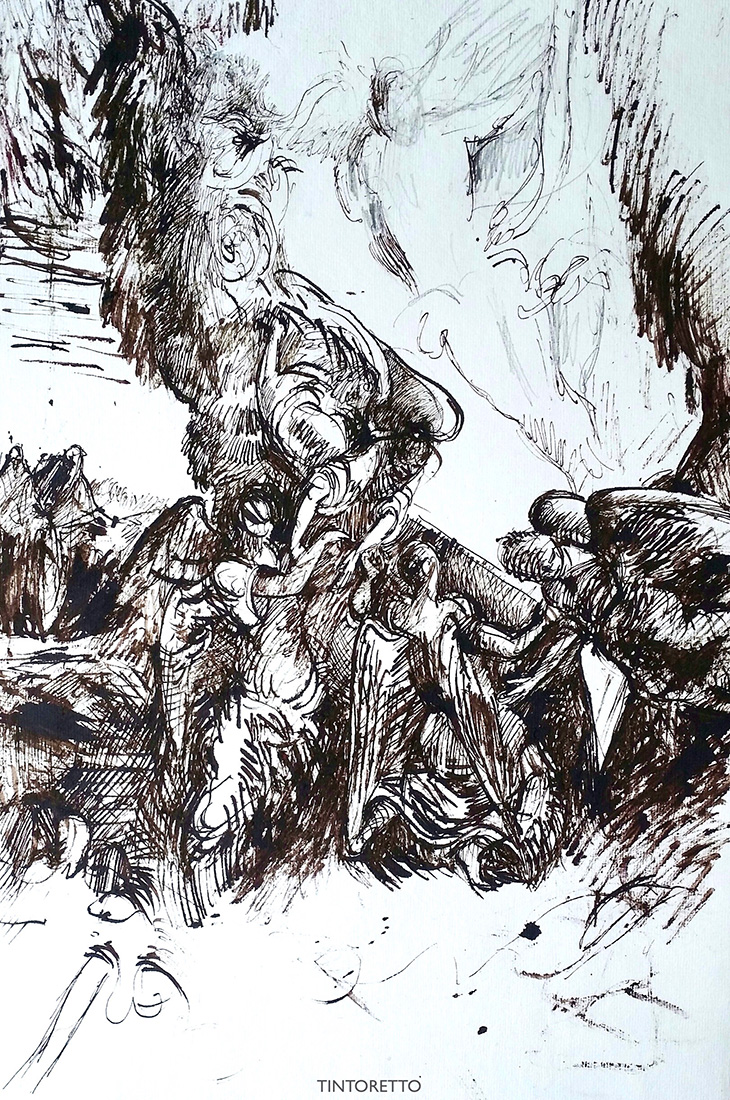
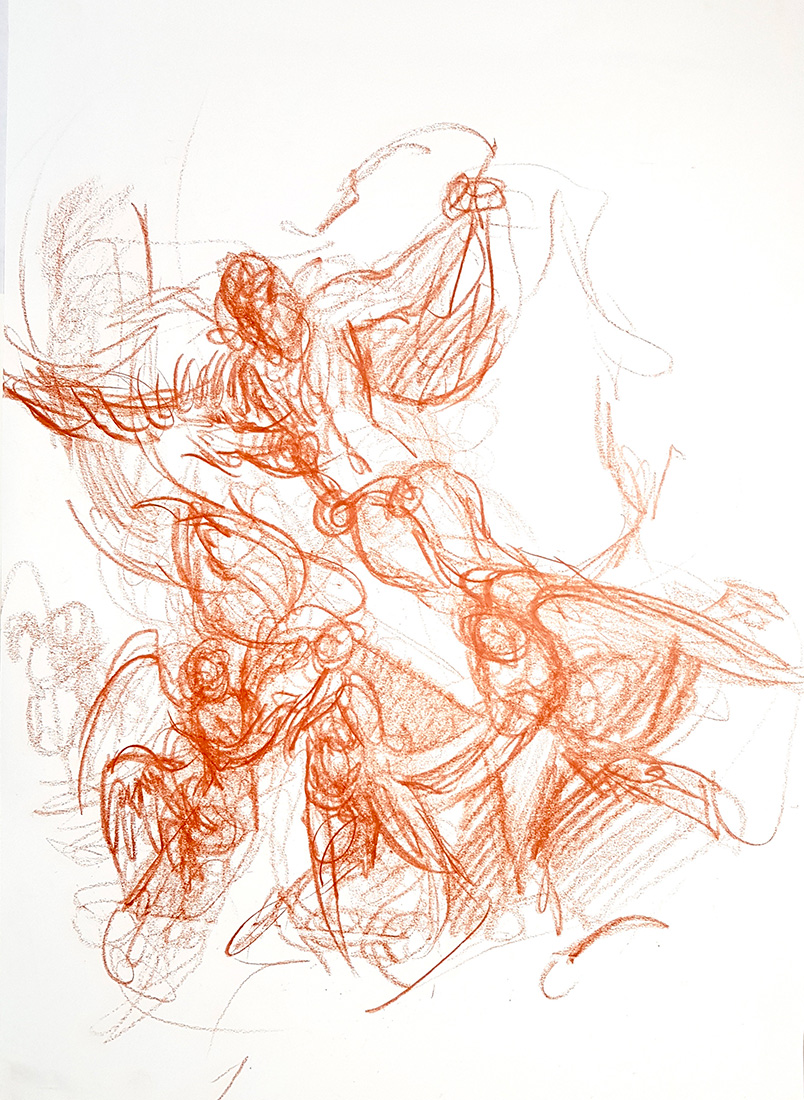
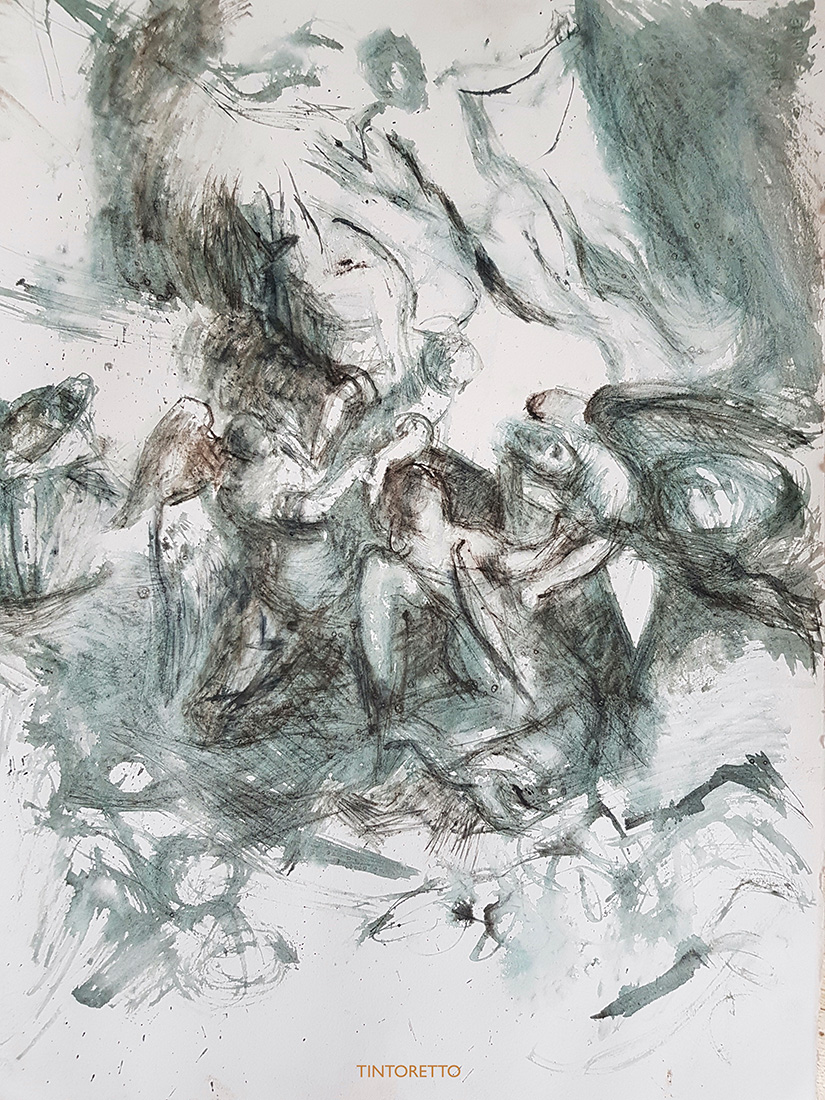
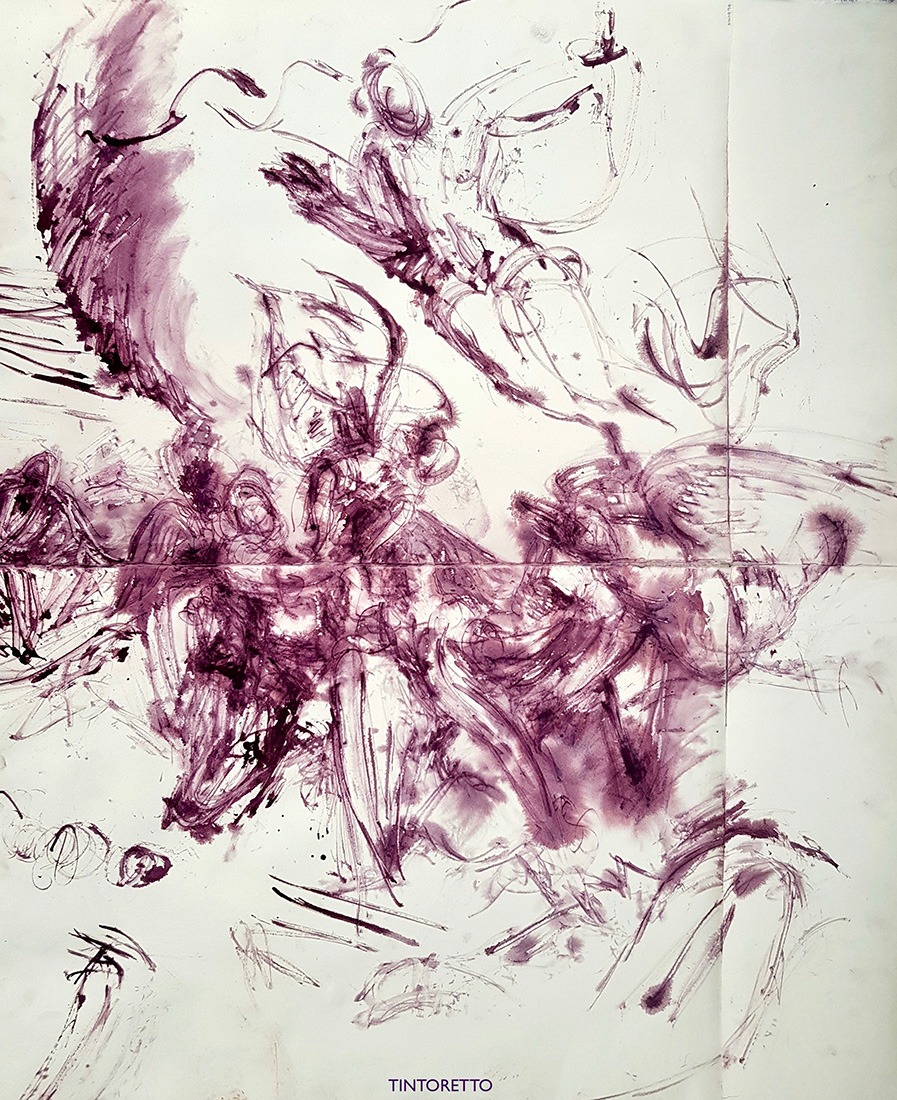
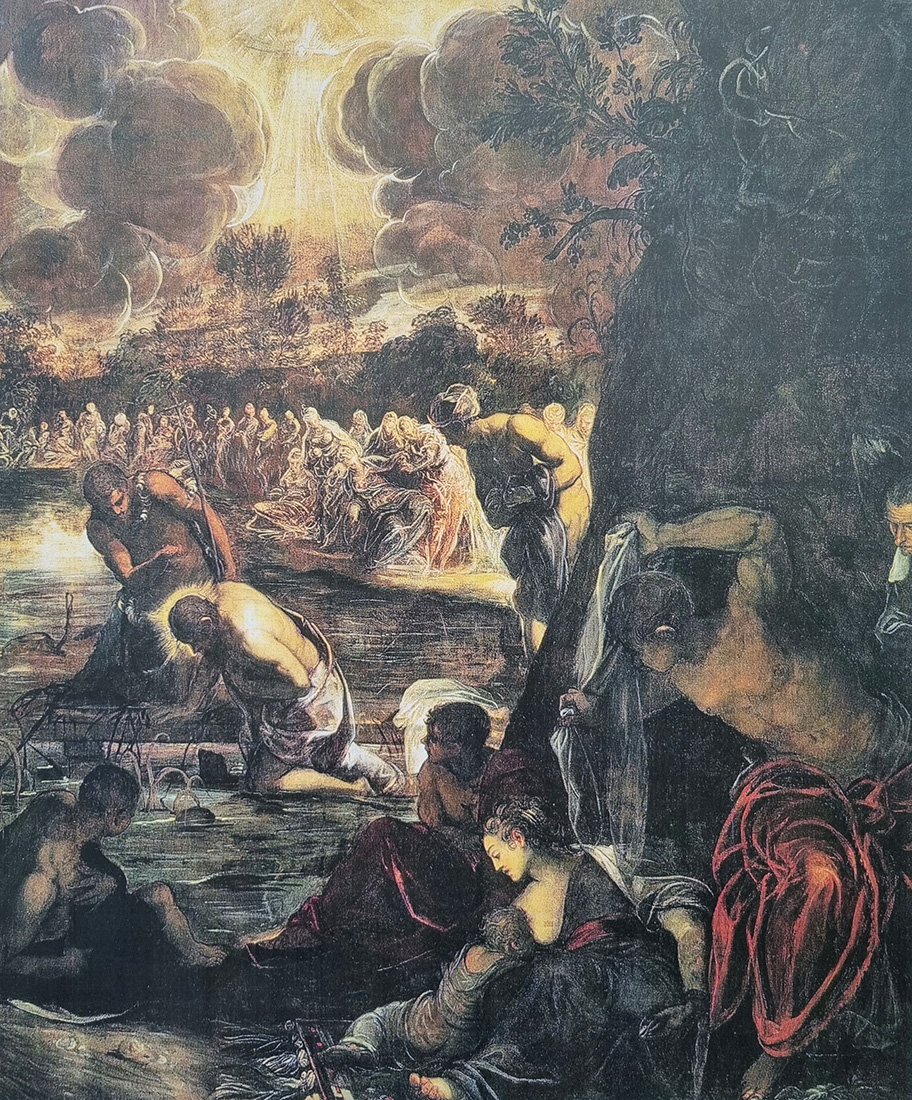
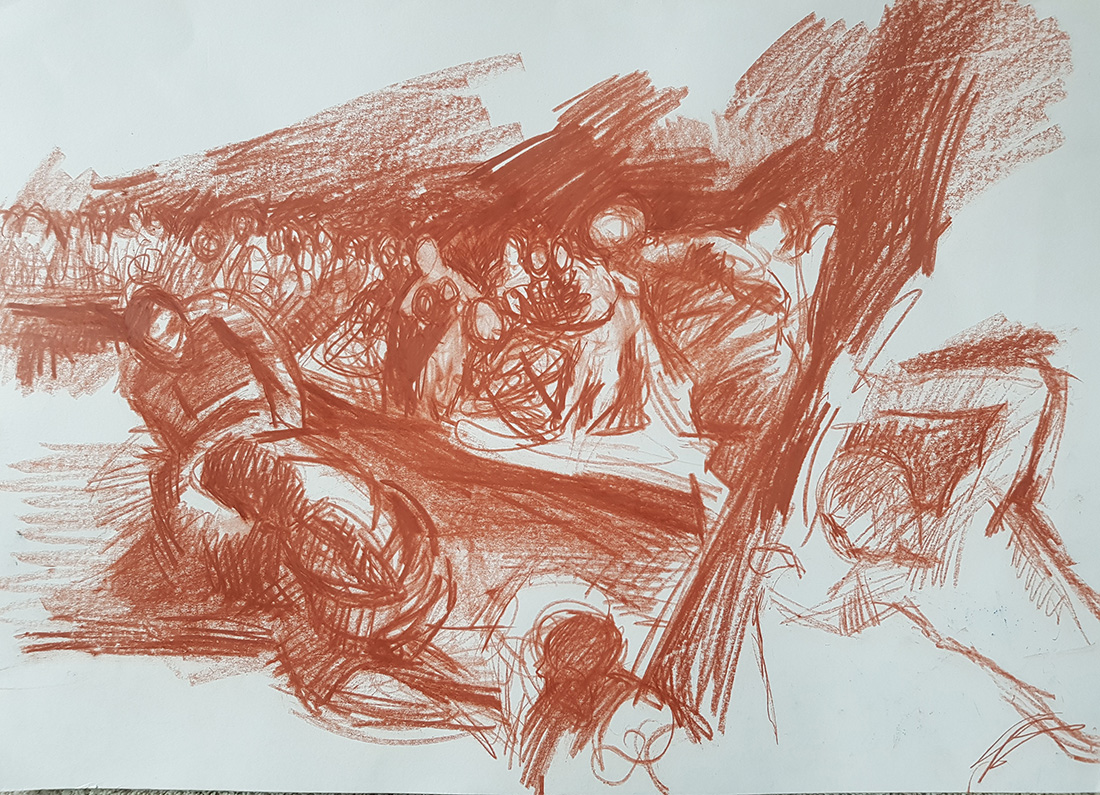
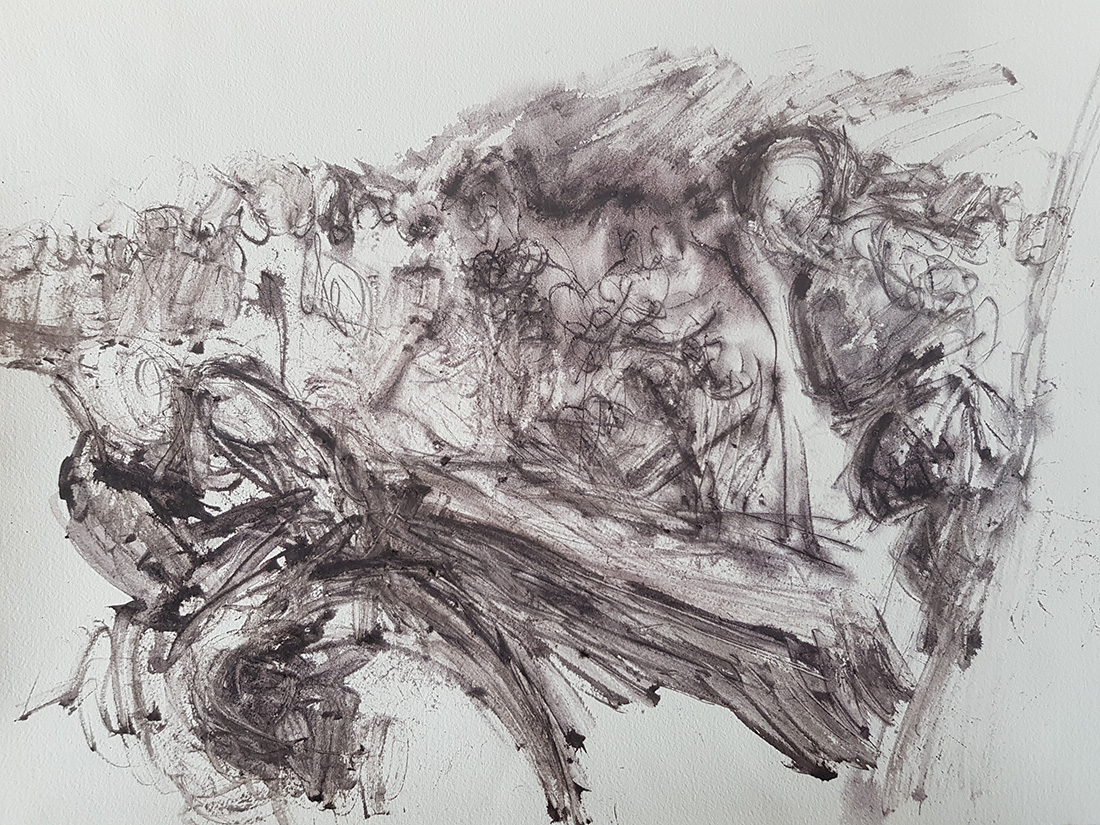
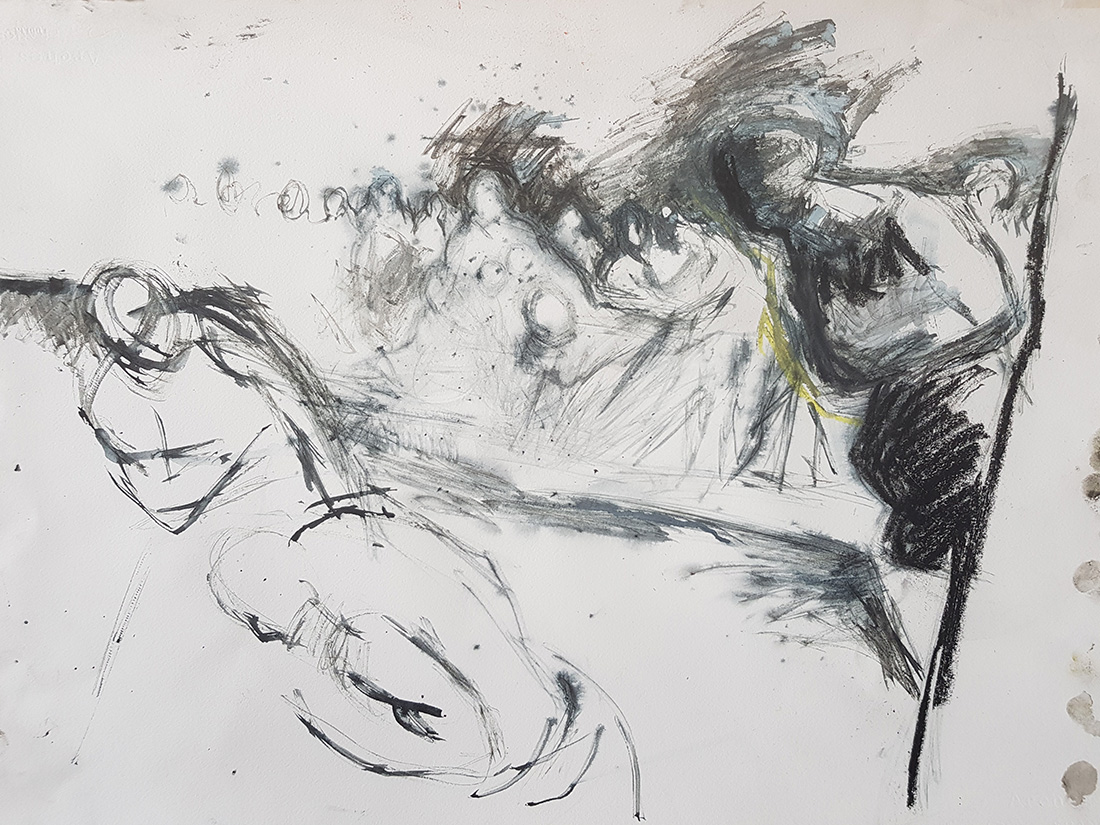
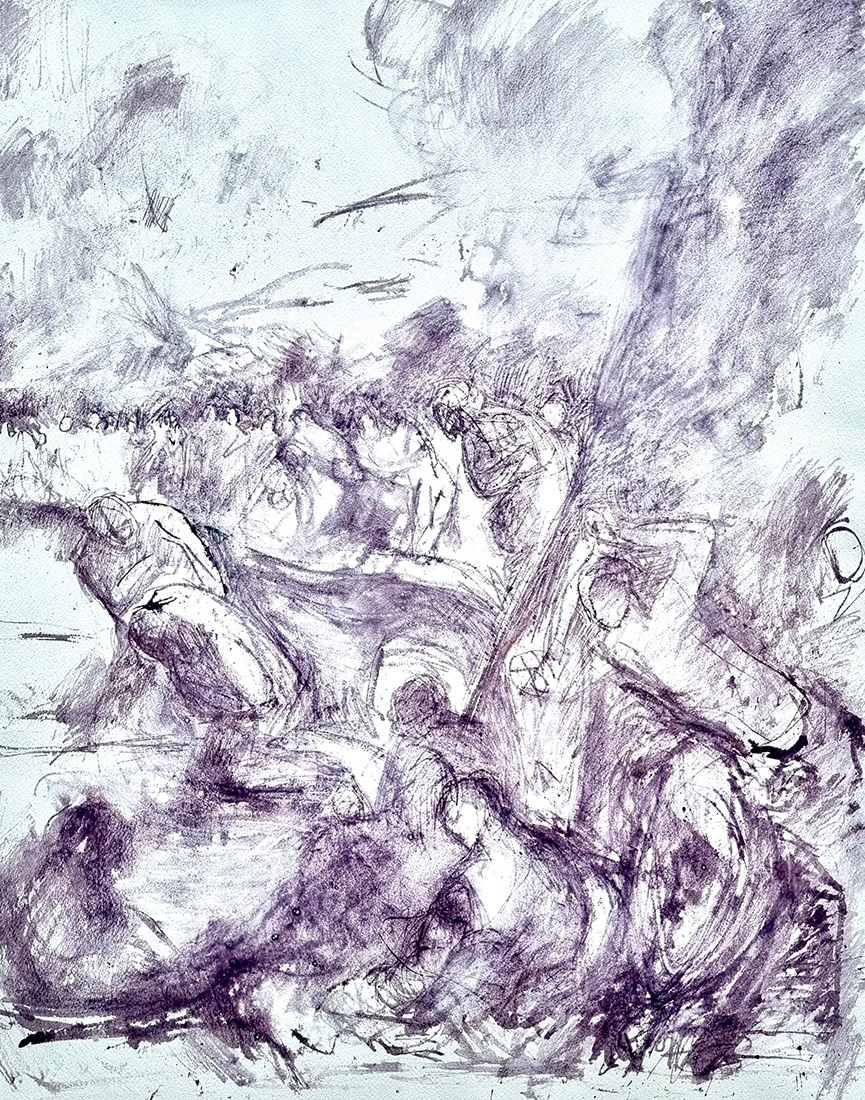
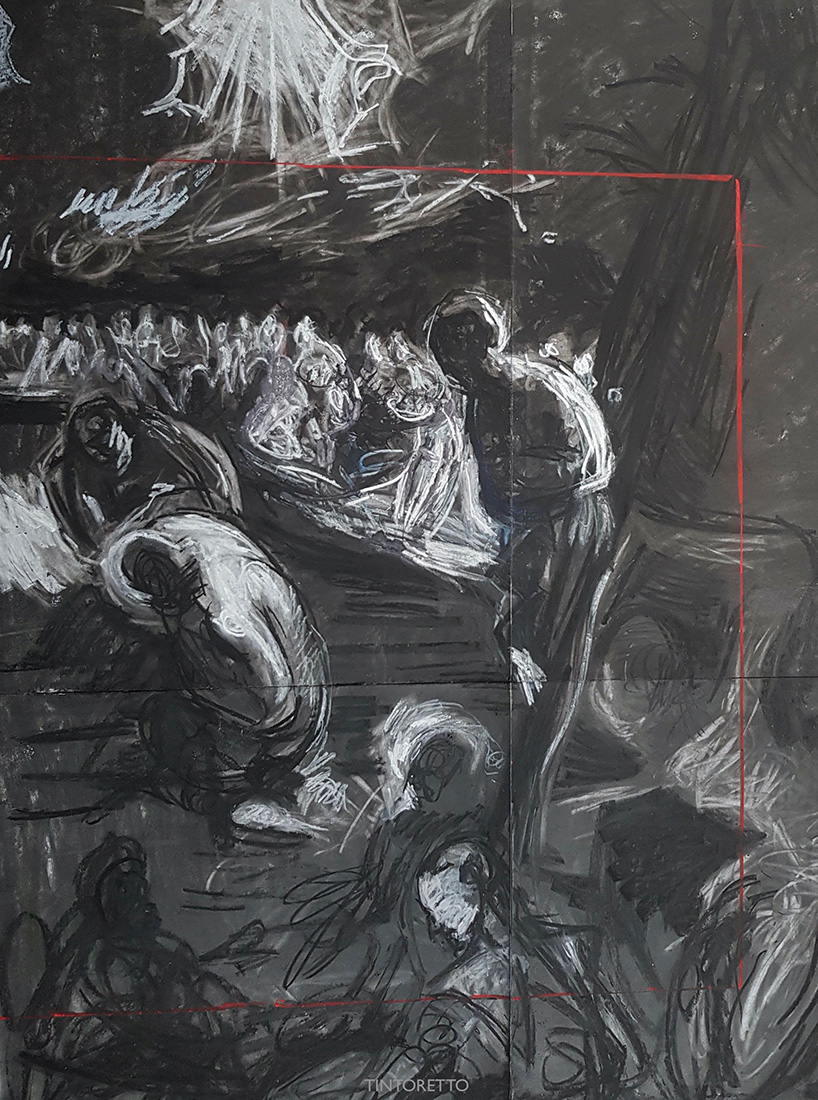
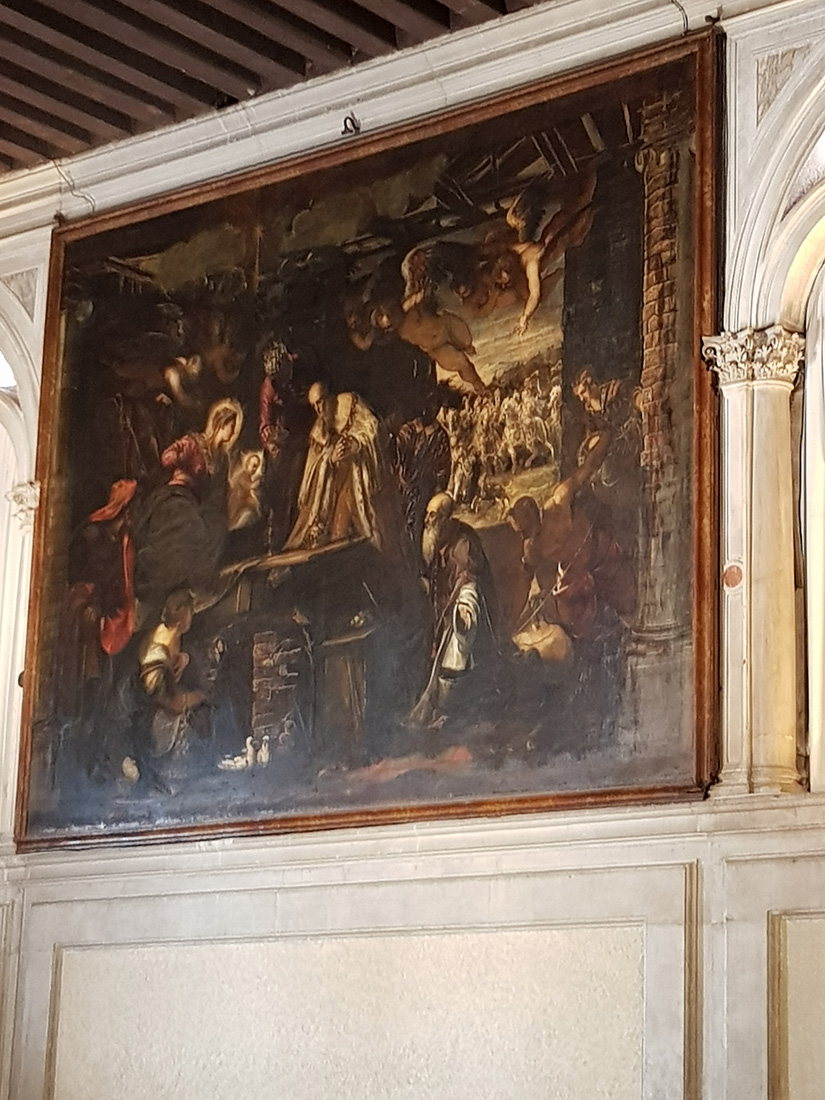
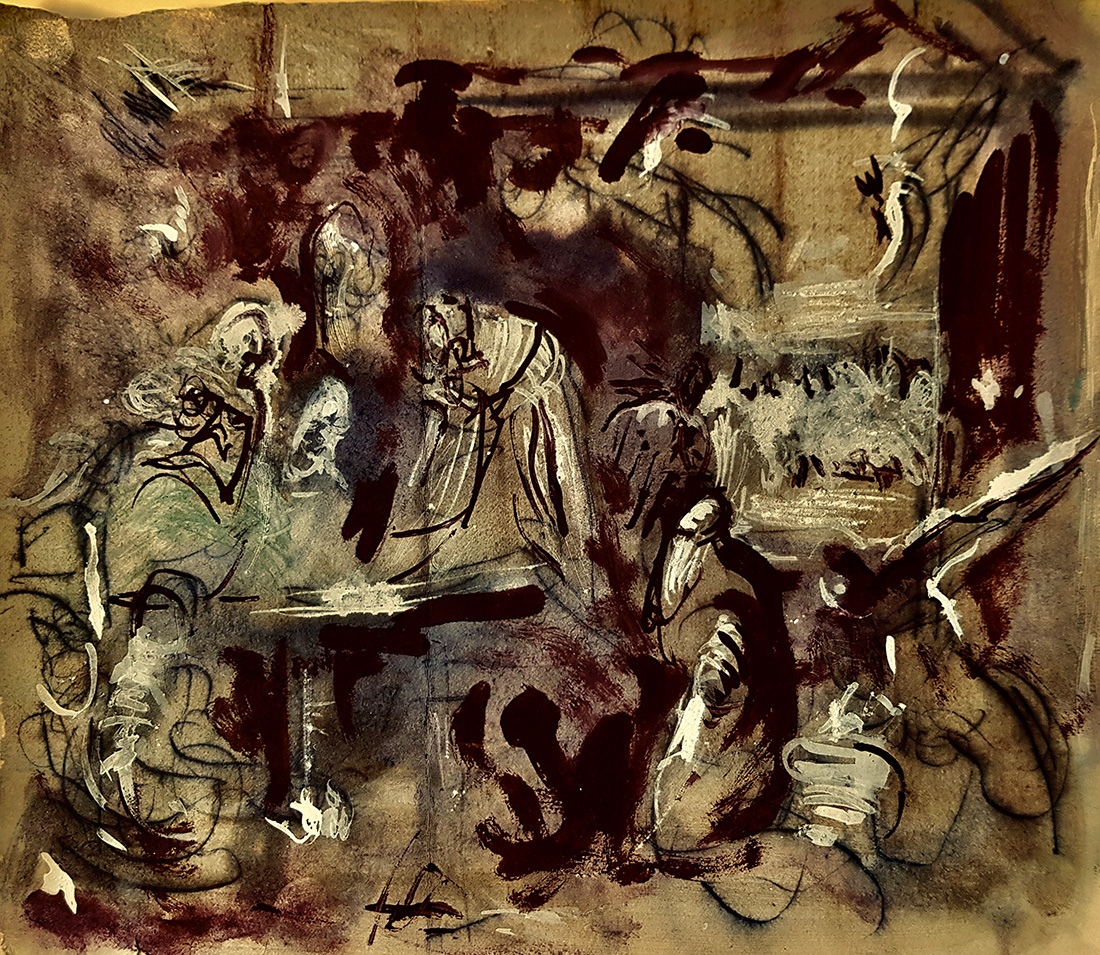
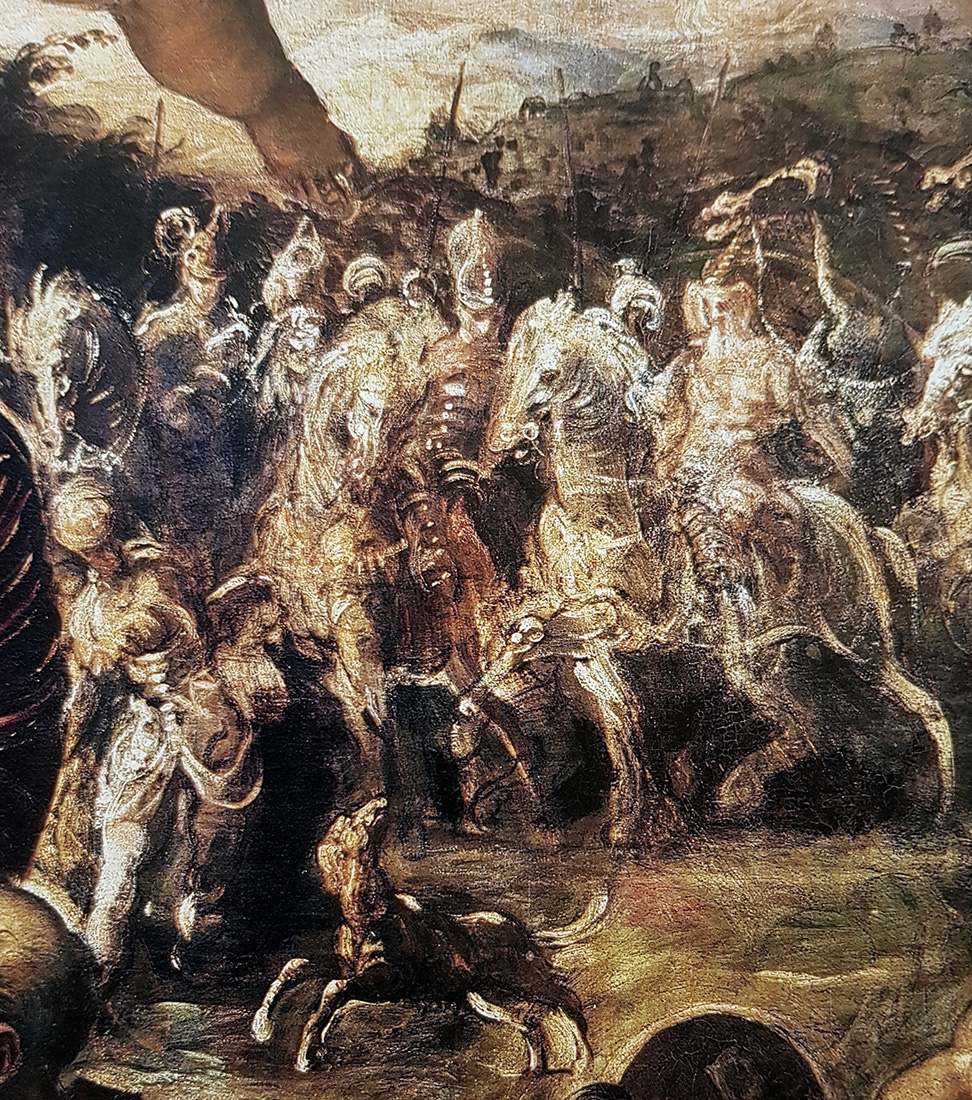
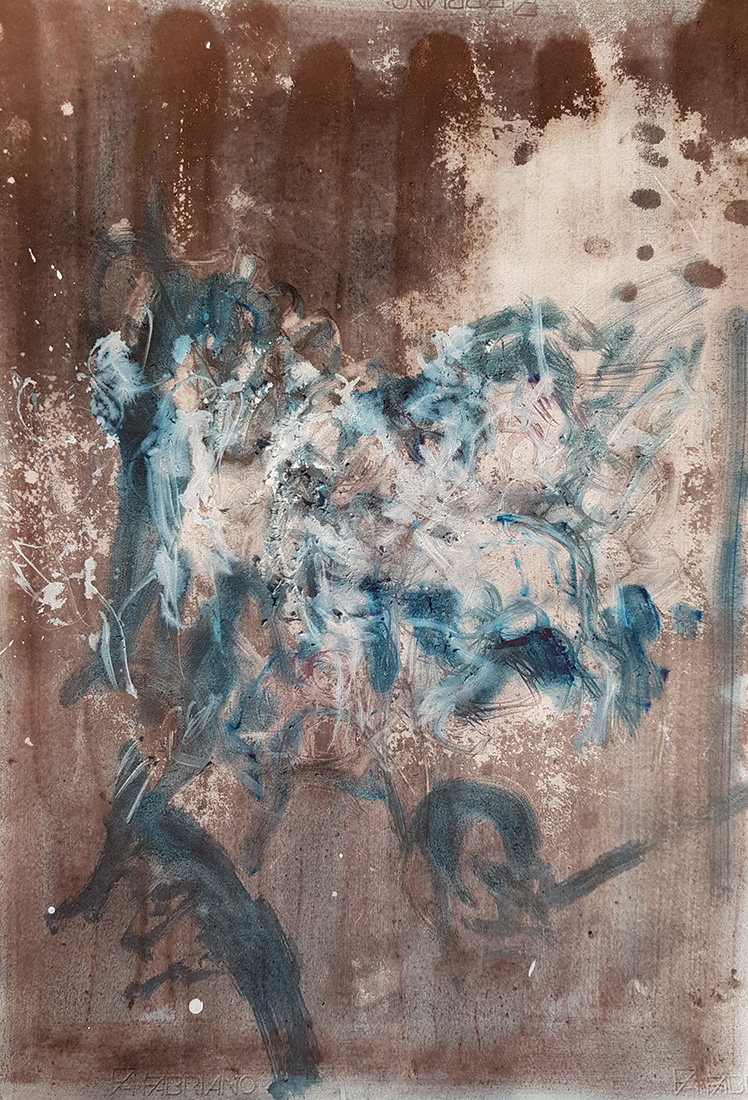
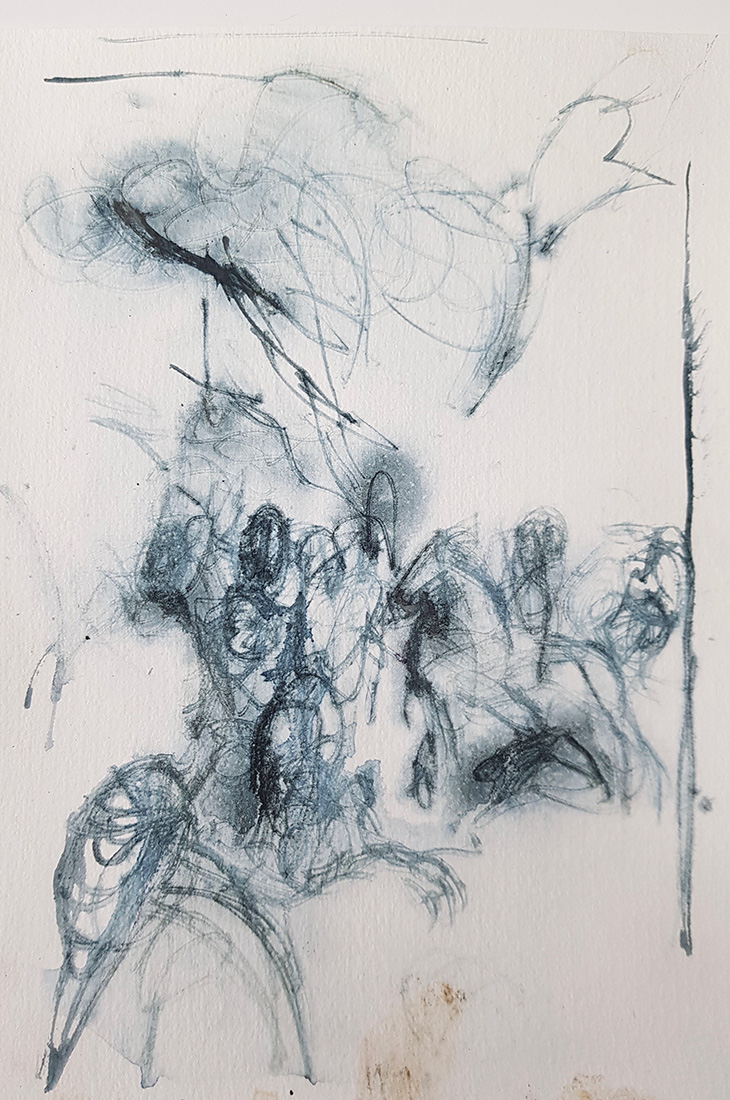
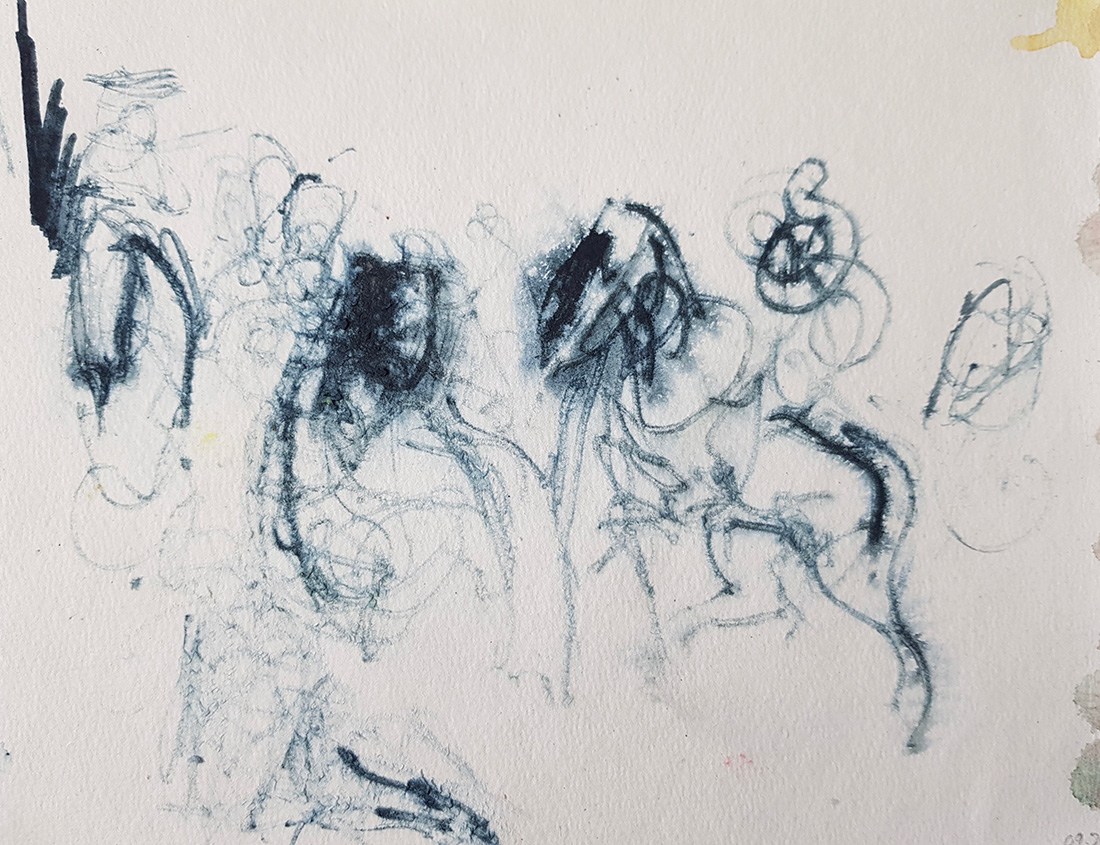
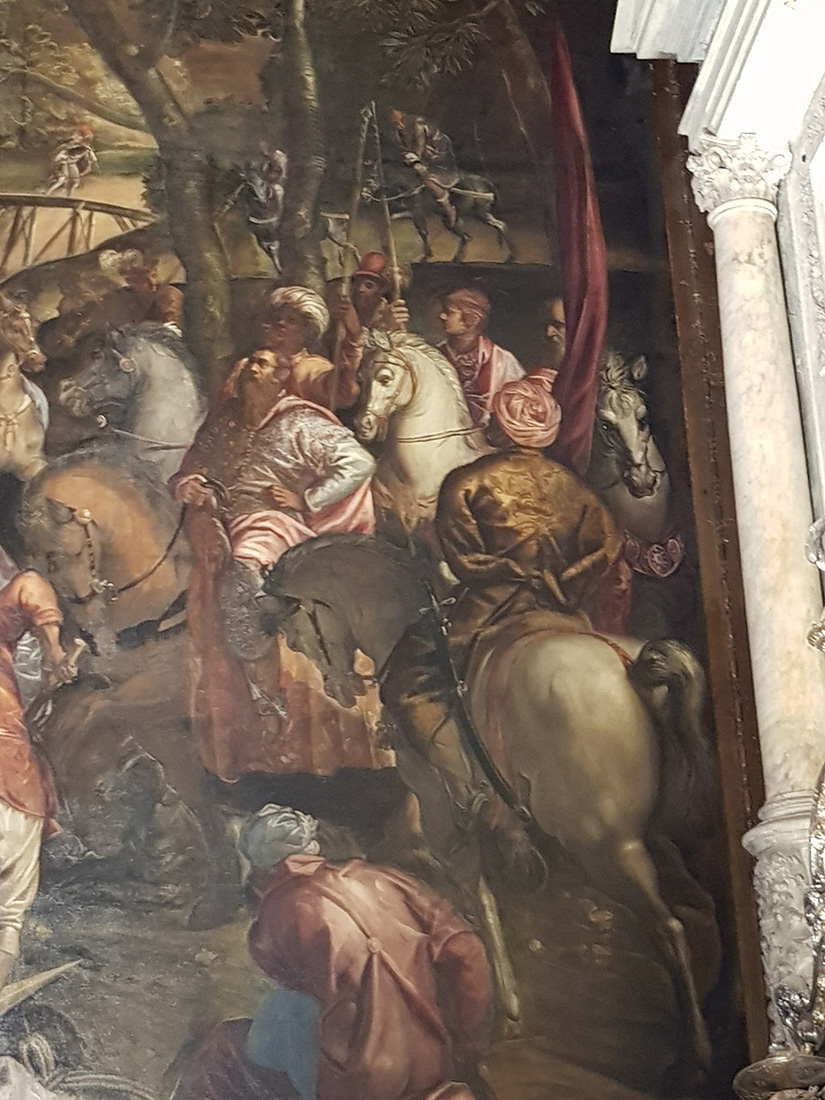
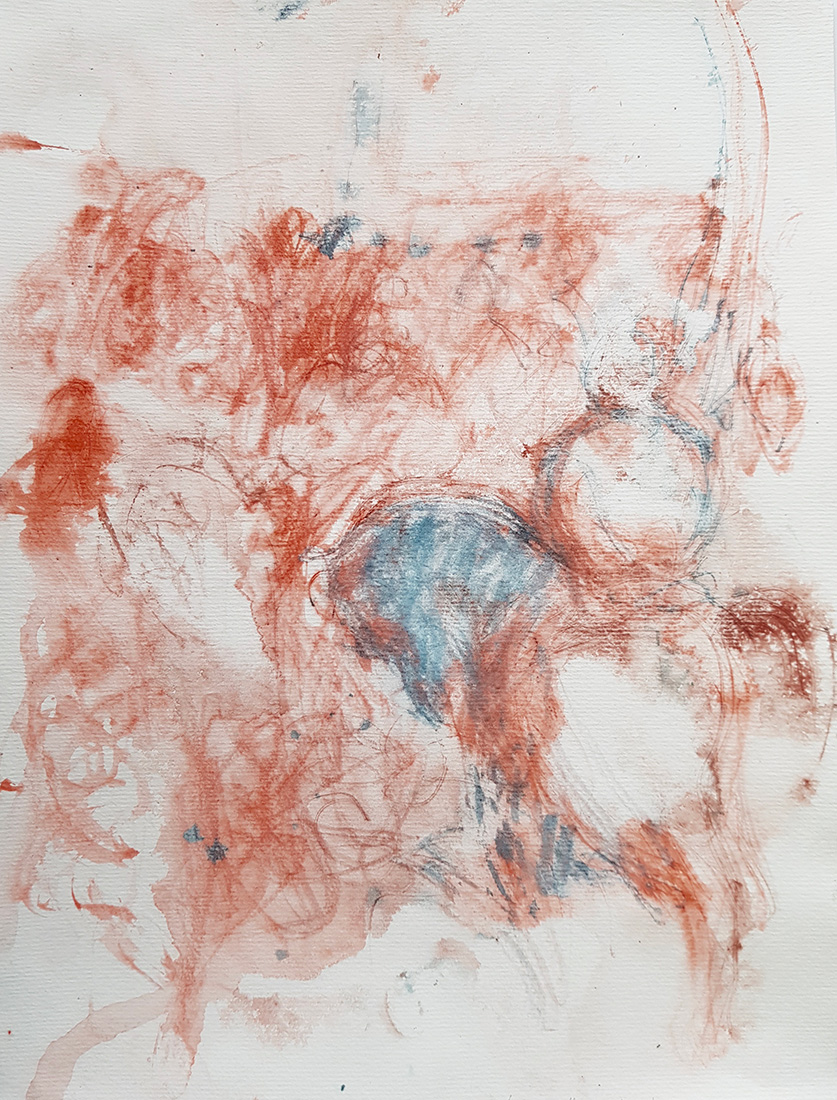
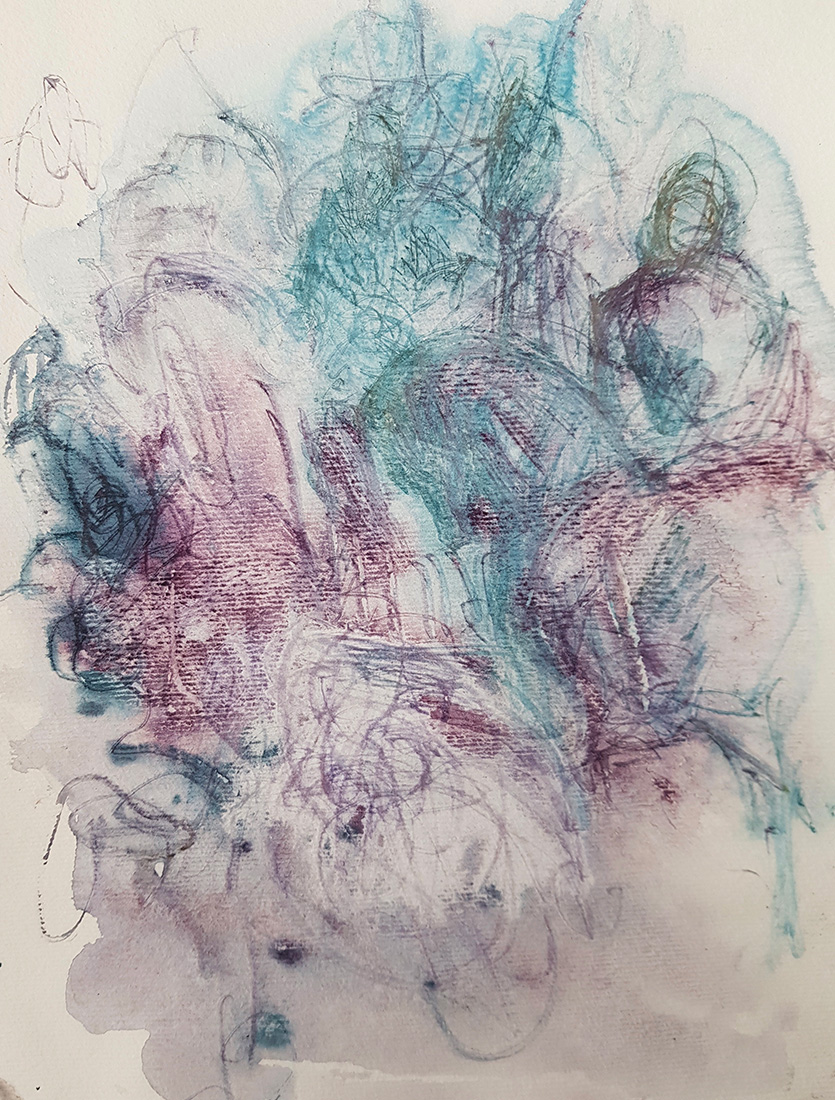
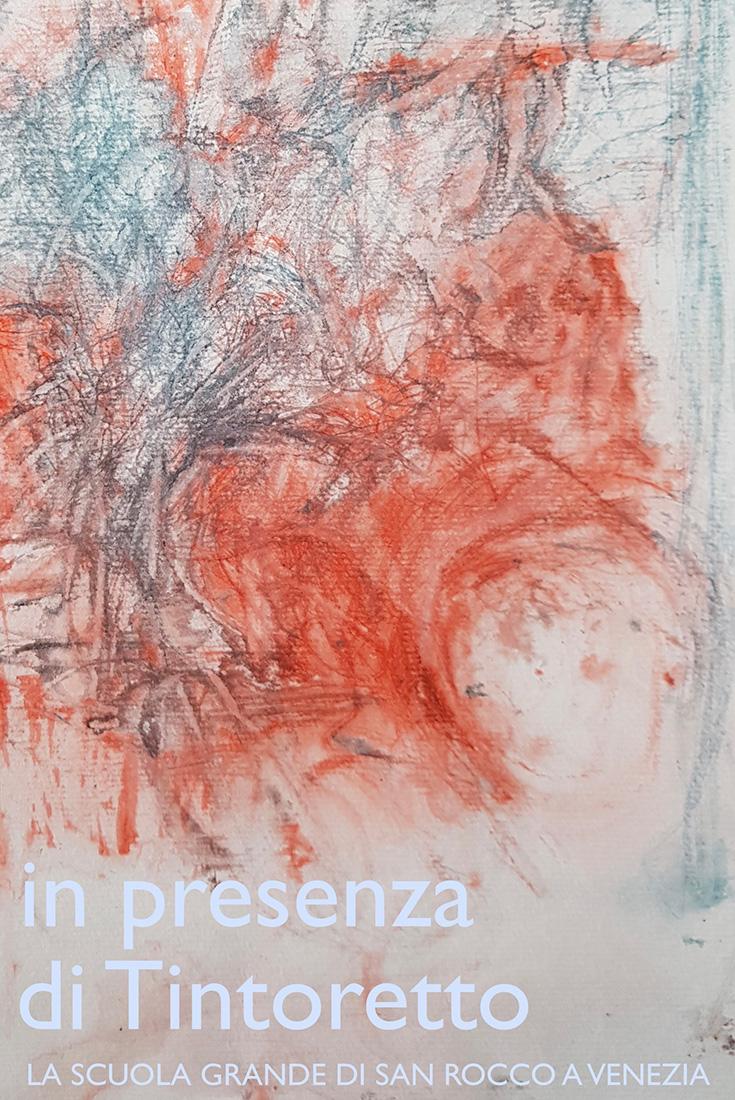

Brief summary: Born in 1518, Jacopo Robusto, the Dyer’s boy – il Tintoretto – was to become one of the first and greatest exponents of the new art of oil painting on canvas. For thousands of years, large scale paintings were made using the fresco method – with images painted directly on plastered walls. In Venice this did not work, because frescoes deteriorated swiftly in the damp atmosphere of the Lagoon. The Venetian canvas making industry – supplying sails for a great trading fleet – provided the solution.
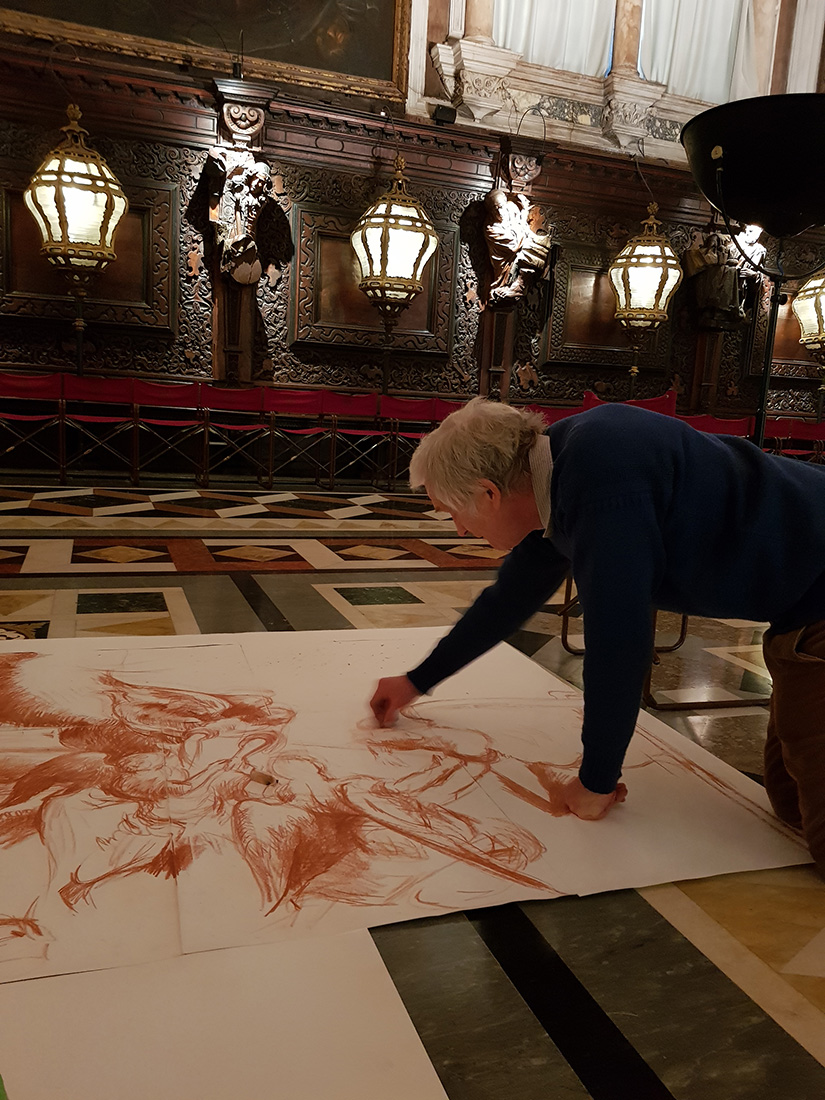
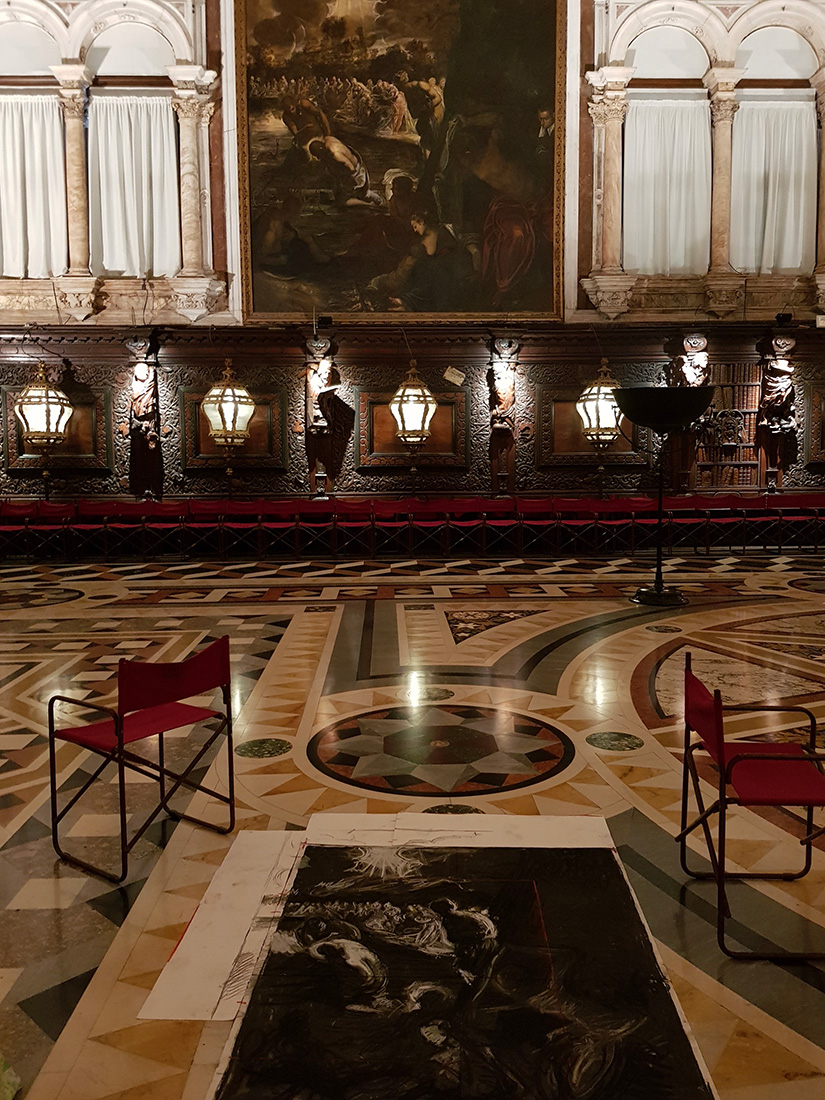
Pulsford has spent many hours working directly from original paintings at La Scuola Grande di San Rocco in Venezia, studying, as he says ‘in the presence of Tintoretto’. Great art, he contends, demands to be taken in by the artist’s eye, and the supreme methodology at the artist’s disposal is drawing. To adapt from Marshal McLuhan’s thesis The Extensions Of Man 1964 (‘the Medium is the Message’), it can be said that drawing is an extension of seeing. To draw is to assume ownership of a visual idea, and that, in a nutshell, is why we transcribe.
MP July 2026
